
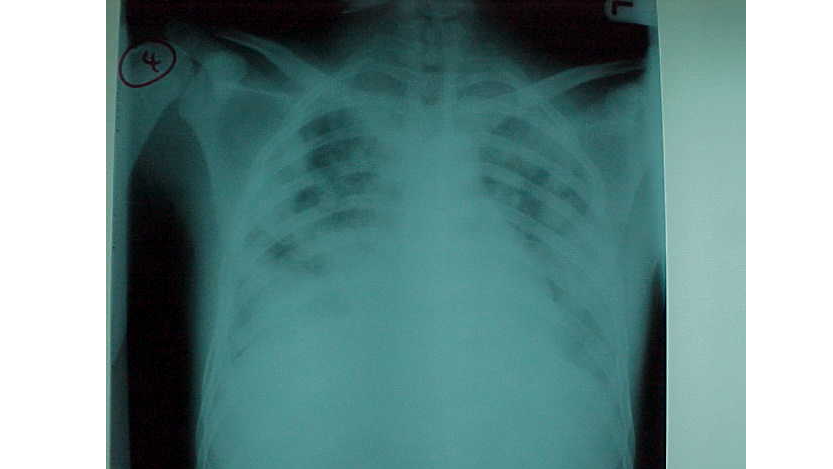
The respiratory system, responsible for oxygen–carbon dioxide exchange, can face catastrophic failure in the form of Acute Respiratory Distress Syndrome (ARDS)—also called Adult Respiratory Distress Syndrome. ARDS is a sudden, progressive condition marked by severe dyspnea, hypoxemia, diffuse bilateral infiltrates, and pulmonary edema. The lungs become non-compliant, leading to life-threatening complications. Etiology: Direct causes: Pneumonias (viral, bacterial, fungal), lung contusion, aspiration, fat/amniotic fluid embolism, smoke inhalation, prolonged high O₂ exposure.
Indirect causes: Sepsis, shock, multi-system trauma, DIC, acute pancreatitis, uremia, overdose, anaphylaxis, raised ICP. Pathophysiology: ARDS progresses through exudative, proliferative, and fibrotic phases, leading to alveolar damage, surfactant depletion, atelectasis, and refractory hypoxemia. Eventually, diffuse…