docplexus

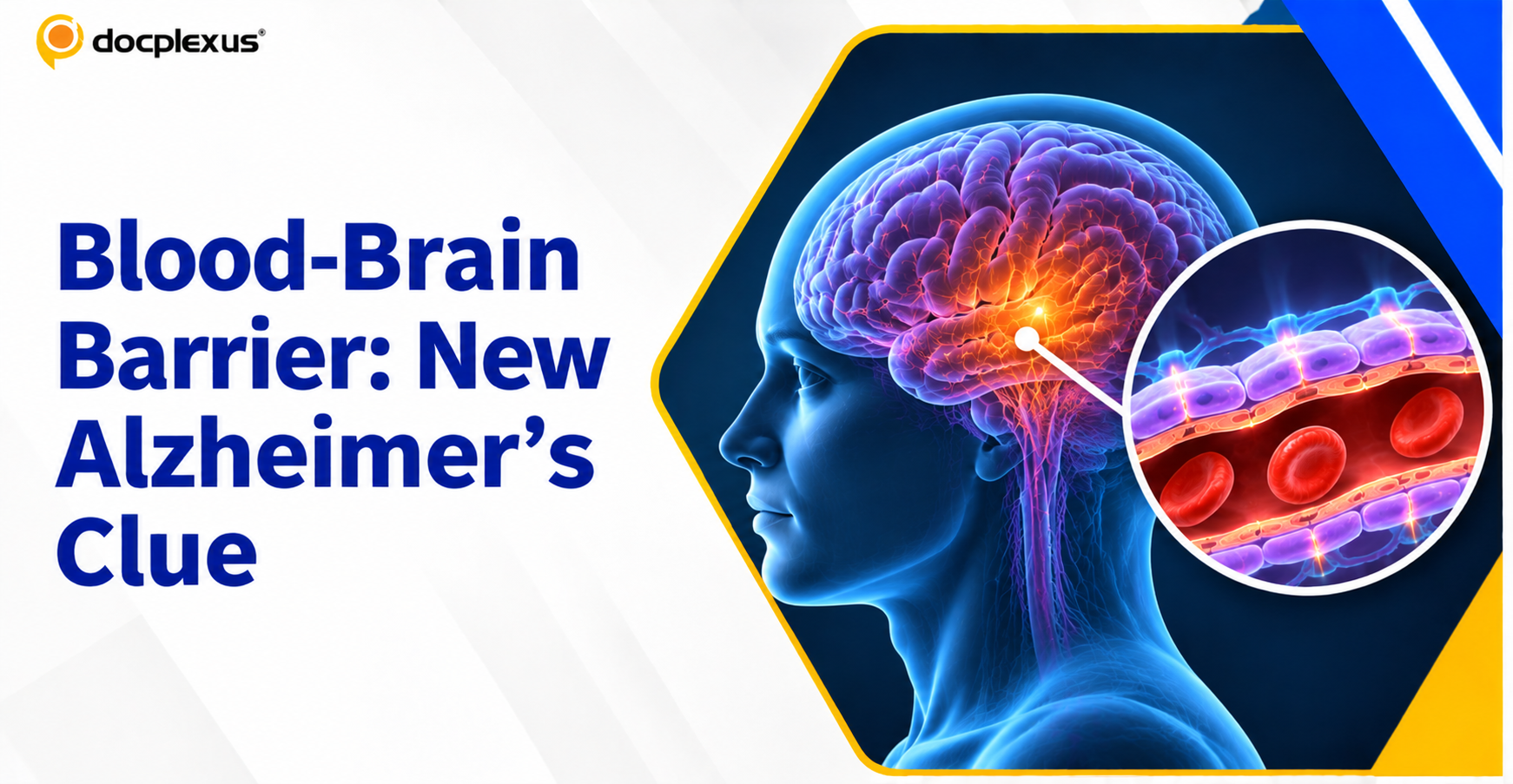
The blood-brain barrier (BBB), traditionally understood as a protective boundary separating the brain from circulating blood, may also function as a selective transport system that delivers beneficial proteins to specific brain cells.A study published in a peer-reviewed scientific journal identified a group of circulating proteins capable of crossing the BBB and reaching different brain cell populations. The findings could provide new insights into Alzheimer's disease and other neurological disorders. Researchers used protein-labeling techniques in mice to track 861 circulating proteins.
Analysis of brain tissue identified 92 proteins that successfully crossed the blood-brain barrier.Most of these proteins originated in organs outside the brain, suggesting that peripheral organs may contribute to maintaining neurological function through circulating protein signals. APOA1 Emerges as a…