docplexus

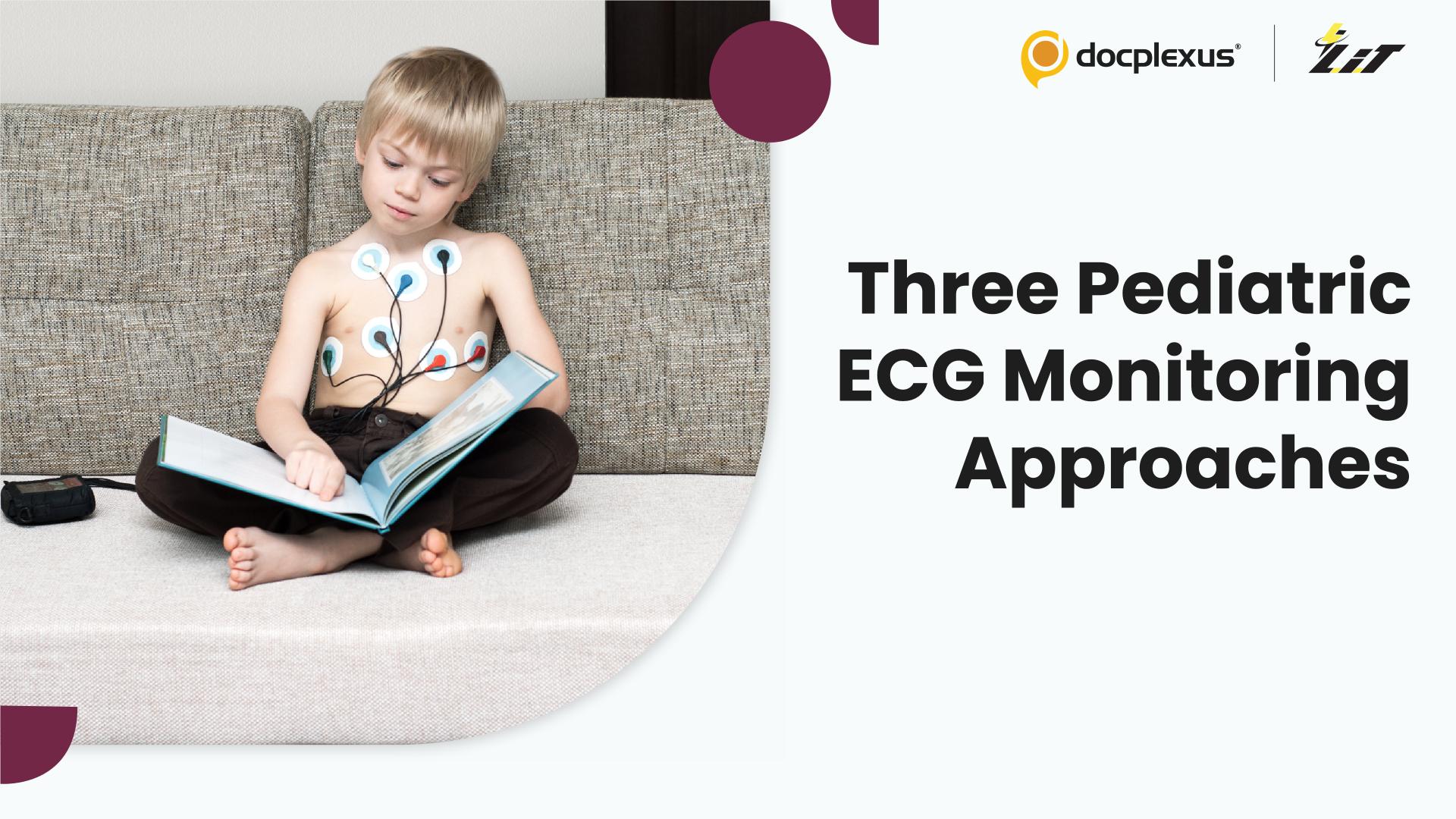
A Taiwanese study compared the diagnostic yield and clinical utility of three ambulatory electrocardiographic modalities in pediatric patients without structural heart disease, including continuous 7-day Holter monitoring, 24-hour Holter monitoring, and 7-day event recording. The study followed 435 children (mean age, 12.3 years) for one year. Among the 411 children who activated the event recorder, 10.7% experienced symptom-correlated arrhythmias.
Continuous 7-day Holter monitoring detected a significantly higher proportion of major arrhythmias, defined as tachyarrhythmias or bradyarrhythmias, than 24-hour Holter monitoring or 7-day event recording (6.2% vs 2.3%). It also demonstrated higher sensitivity (73% vs 27% for each of the other modalities) and a high negative predictive value of 97.5%. Management changes were more frequent with continuous 7-day Holter monitoring, occurring in…