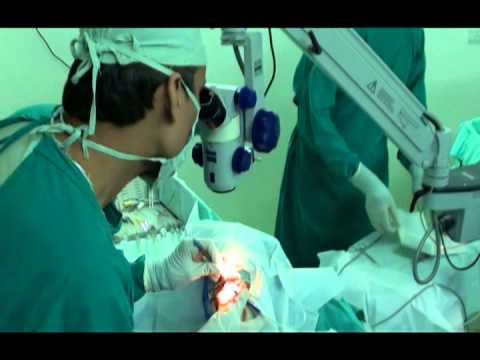
Phacoemulsification is routinely performed with the patient lying supine with his or her head flat to optimize the red reflex and surgical view. If a patient has a medical condition that precludes lying supine, then both the patient and the surgeon may be uncomfortable. If the surgeon’s view is compromised by poor positioning, the potential risk for complications increases. Positioning can be challenging in patients with a variety of medical conditions, including kyphosis, chronic obstructive pulmonary disease, congestive heart failure, cerebral palsy, myotonic dystrophy, obesity, and Ménière disease.
With simple modifications to the patient’s position, successful, uncomplicated cataract surgery can be performed. Orthopaedic, neurologic, cardiovascular, and pulmonary conditions can affect patients’ positioning during cataract surgery. Adjusting the operating chair and/or table,…