
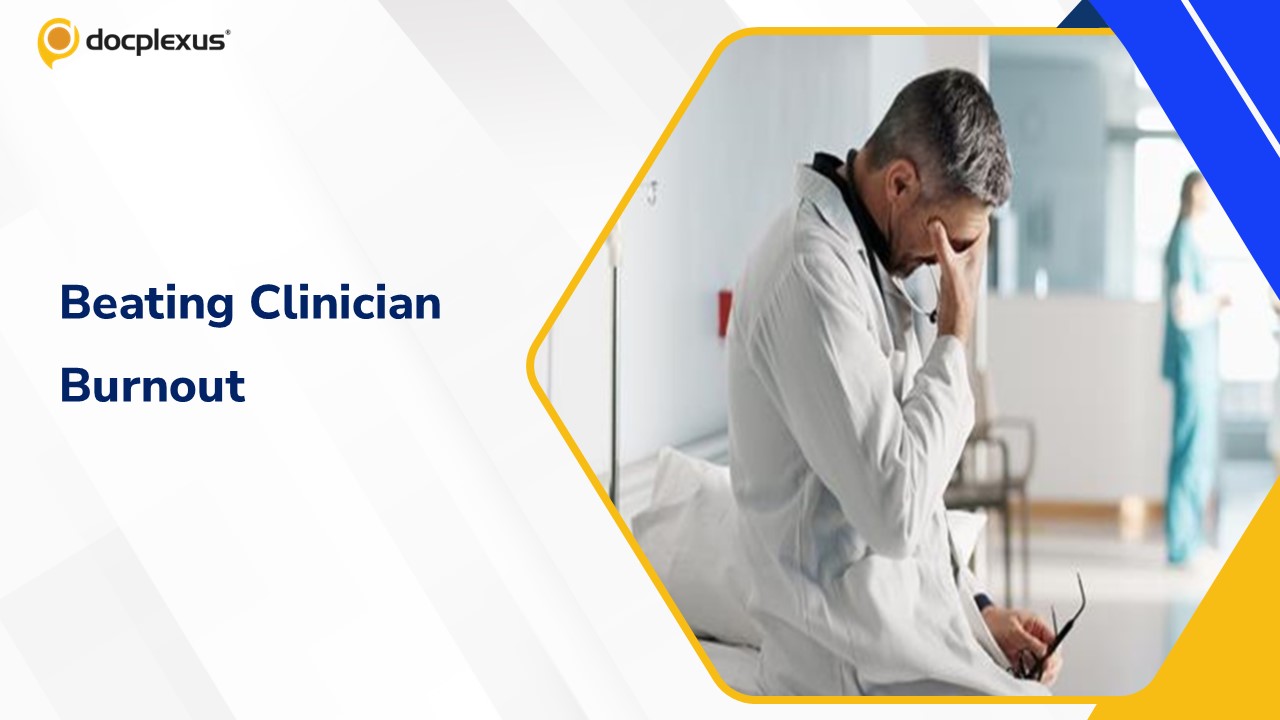
Long working hours, administrative overload, and constant clinical decision-making are pushing burnout rates among clinicians to alarming levels. Burnout is no longer just about fatigue it affects clinical judgment, patient safety, and professional satisfaction. Recognizing early signs and addressing time pressure proactively has become essential, not optional. Effective time management starts with prioritization rather than perfection.
Simple strategies such as structured clinic schedules, realistic appointment slots, delegation of non-clinical tasks, and minimizing unnecessary documentation can significantly reduce daily stress. Even brief protected breaks during the workday have been shown to improve focus and resilience. Burnout prevention also requires boundaries beyond the clinic. Regular physical activity, adequate sleep, peer support, and mindful use of digital communication…