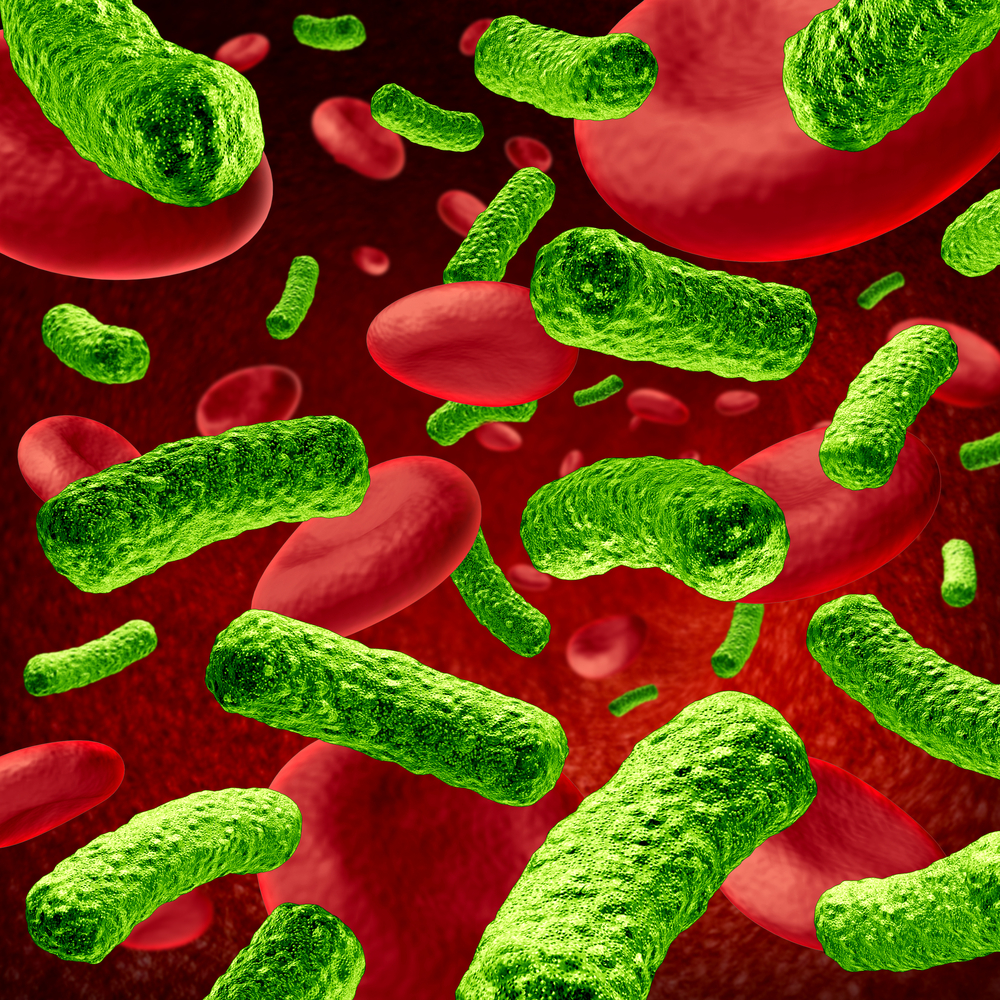
Septic shock is a common condition. The basic cause of septic shock is an infection. Septicaemia often presents as hypotension rather than fever, especially in the elderly, diabetics and the immuno-compromised. For the diagnosis of septic shock, there should be a source of infection and hypotension not corrected by adequate fluids. Hypotension is defined as systolic blood pressure less than 90 and mean pressure less than 65.
Mean pressure is the sum of two-thirds of systolic and one-third of diastolic pressure. When the patient with septic shock arrives in ER, our priority is to give a large number of fluids in short time. We usually give 10 to 20 L of Saline in 24 hours using two 16 gauge needles in both hands. This is almost double of what we give in DKA. Before infusing fluids, the blood is withdrawn and sent for full blood count, CRP, kidney function test, liver function test,…