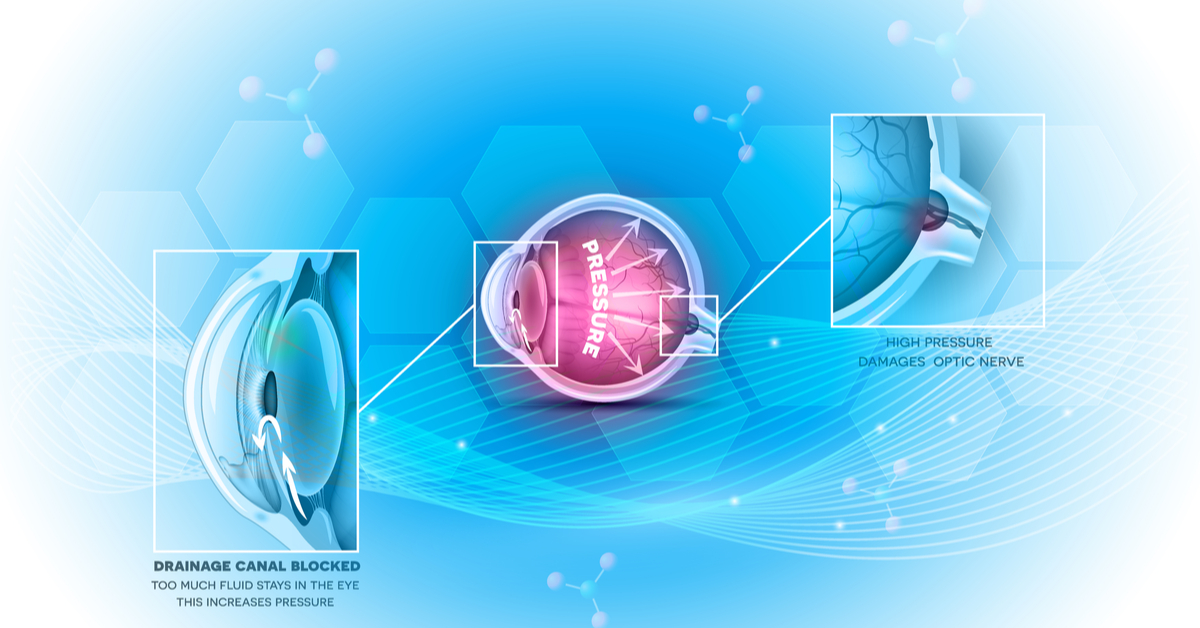
Angle-closure glaucoma involves a disruption in the trabecular meshwork that increases the ocular pressure (>21 mm Hg), resulting in glaucomatous optic nerve damage. It is characterized by iridotrabecular contact that results in peripheral anterior synechiae formation, causing chronic closure of the angle. Symptoms of angle-closure glaucoma include moderate to severe ocular pain, nausea or vomiting, and characteristic slit-lamp findings, including the mid-dilated reactive pupil, conjunctival congestion, corneal edema, and shallow anterior chamber.
Select the best treatment option for a patient with characteristic symptoms of acute angle-closure glaucoma, conjunctival hyperemia, cloudiness in the cornea, and shallowness in the anterior chamber. Timolol and pilocarpine eye drops and oral acetazolamide Intravenous mannitol and oral beta-blockers Proparacaine and prednisolone eye drops…