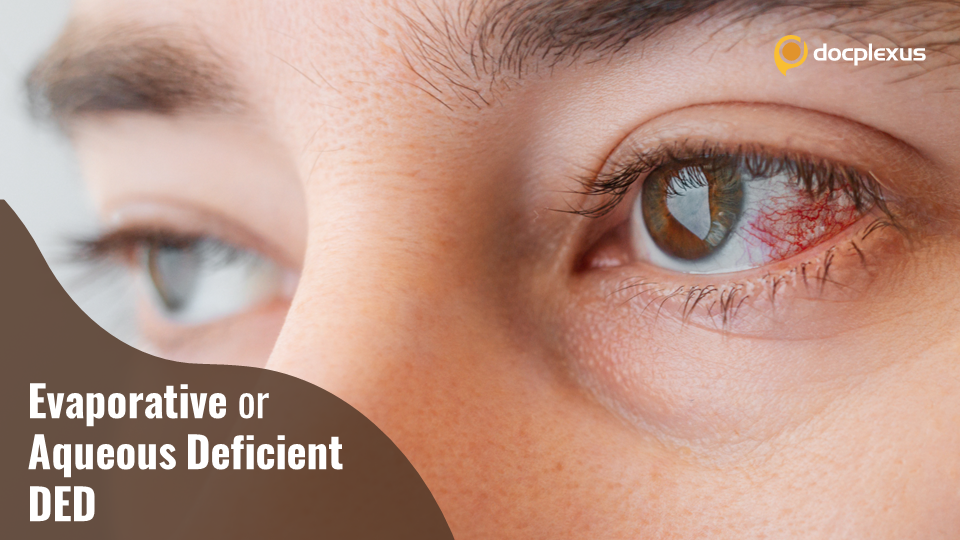
Highlights Ocular surface damage, ocular pain, increased tear film osmolarity, visual disruption, and inflammation are all common symptoms of dry eye disease (DED). Aqueous-deficient dry eye (ADDE) and evaporative dry eye (EDE) are not mutually exclusive; they form a continuum.
Most patients with dry eye disease have EDE, and meibomian gland dysfunction can hasten the onset of DED by increasing the evaporation of tear film.