docplexus
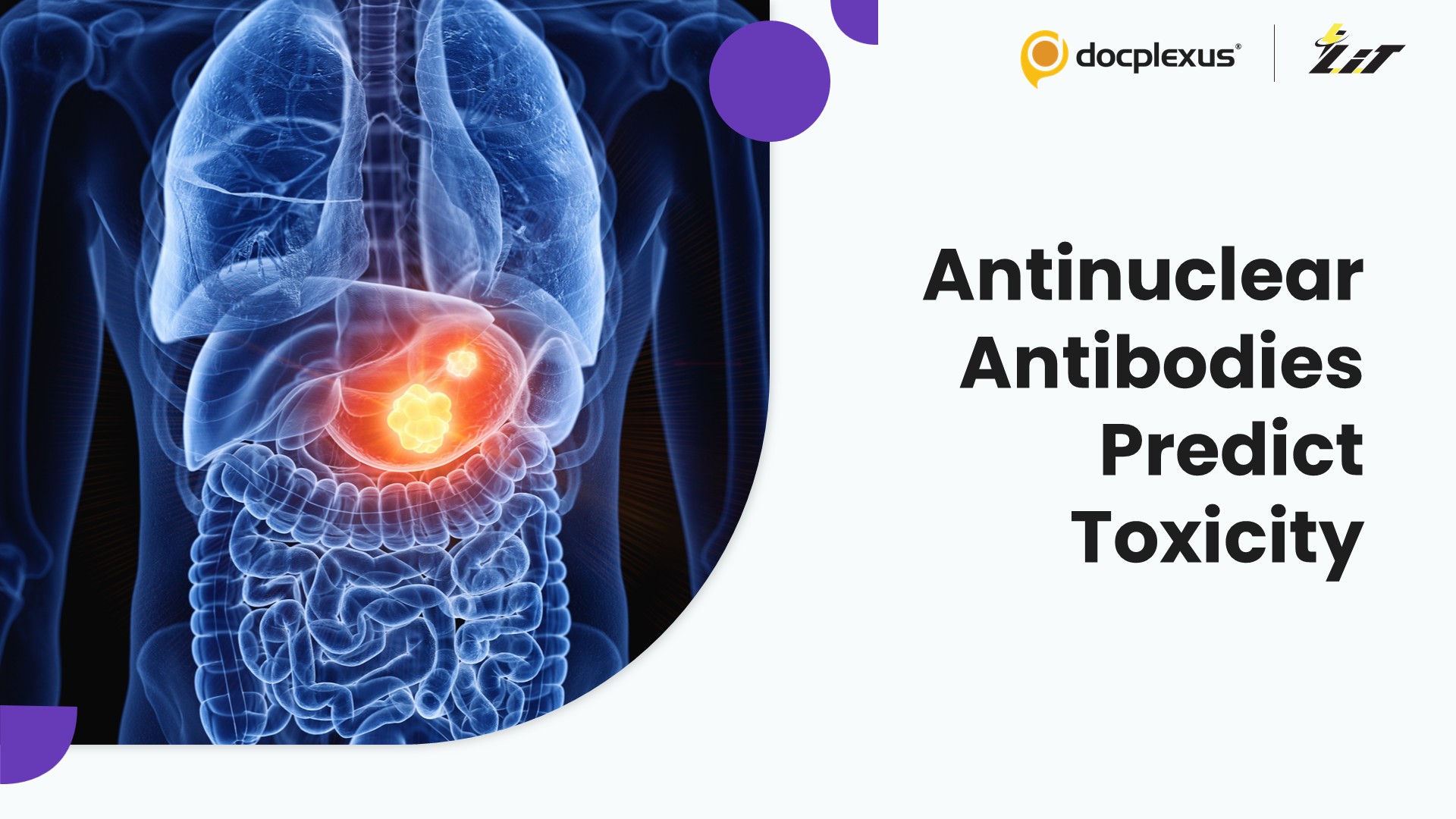
Immune checkpoint inhibitors have improved outcomes in advanced gastric cancer, but immune-related adverse events remain a significant clinical concern. Although baseline autoantibody screening is commonly performed, the predictive value of antinuclear antibodies and organ-specific antibodies is not well established. A study published in Therapeutic Advances in Medical Oncology evaluated their association with toxicity and clinical outcomes.
Among 244 patients, high-titer antinuclear antibodies (≥1:160) were present in 17.6% and were strongly associated with grade 3–4 immune-related adverse events (odds ratio, 7.98). In contrast, organ-specific autoantibodies (including Ro52, thyroid peroxidase antibody, and thyroglobulin antibody) were infrequent (<7%) and did not predict toxicity. The high antibody group included a higher proportion of PD-L1–negative tumors, yet showed a signal toward…