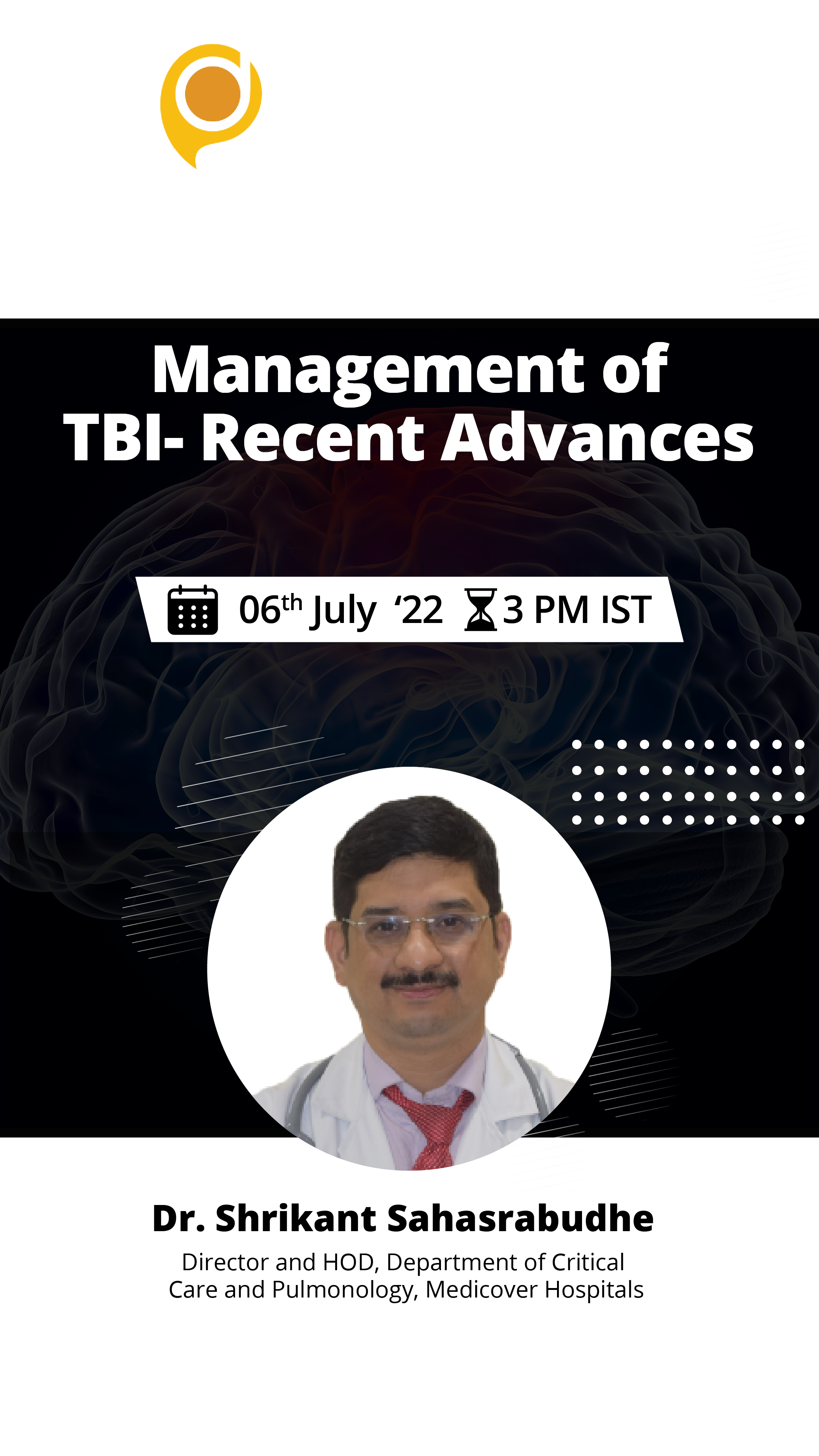
Traumatic brain injury or TBI is a global health issue leading to millions of deaths and disabilities every year. Though patients can survive TBI, they generally suffer from hearing and vision deficits, sensorimotor dysfunction, memory and cognitive disturbances, and various psychological problems in later stages of life. The adverse consequences can include reactive astrogliosis and immune response and damage to neurons, cerebral vessels, and the blood-brain barrier.
Given the heterogeneity of the pathology, personalized medicine and combinatorial therapy have gained much importance. The therapeutic options which are currently available include brain stimulation, rehabilitation, and hyperbaric oxygen. In addition, recent developments in stem cell therapy, such as mesenchymal stem cells, neural stem cells, and olfactory ensheathing cells, show a promising future for managing TBI…