Children with infectious diseases are commonly encountered in primary healthcare settings. Clinicians frequently care for children with Group B streptococcal infections, urinary tract infections (UTI), meningitis, sepsis, pneumonia, listeriosis, flu, conjunctivitis, gastrointestinal infections, and impetigo. Examining the clinical presentation, selecting appropriate diagnostic methods, and making an accurate differential diagnosis are key factors in guiding the best possible management of pediatric patients. Urinary tract infections affect approximately 8% of females and 2% of males during childhood. It may manifest as cystitis or pyelonephritis of the urinary tract.
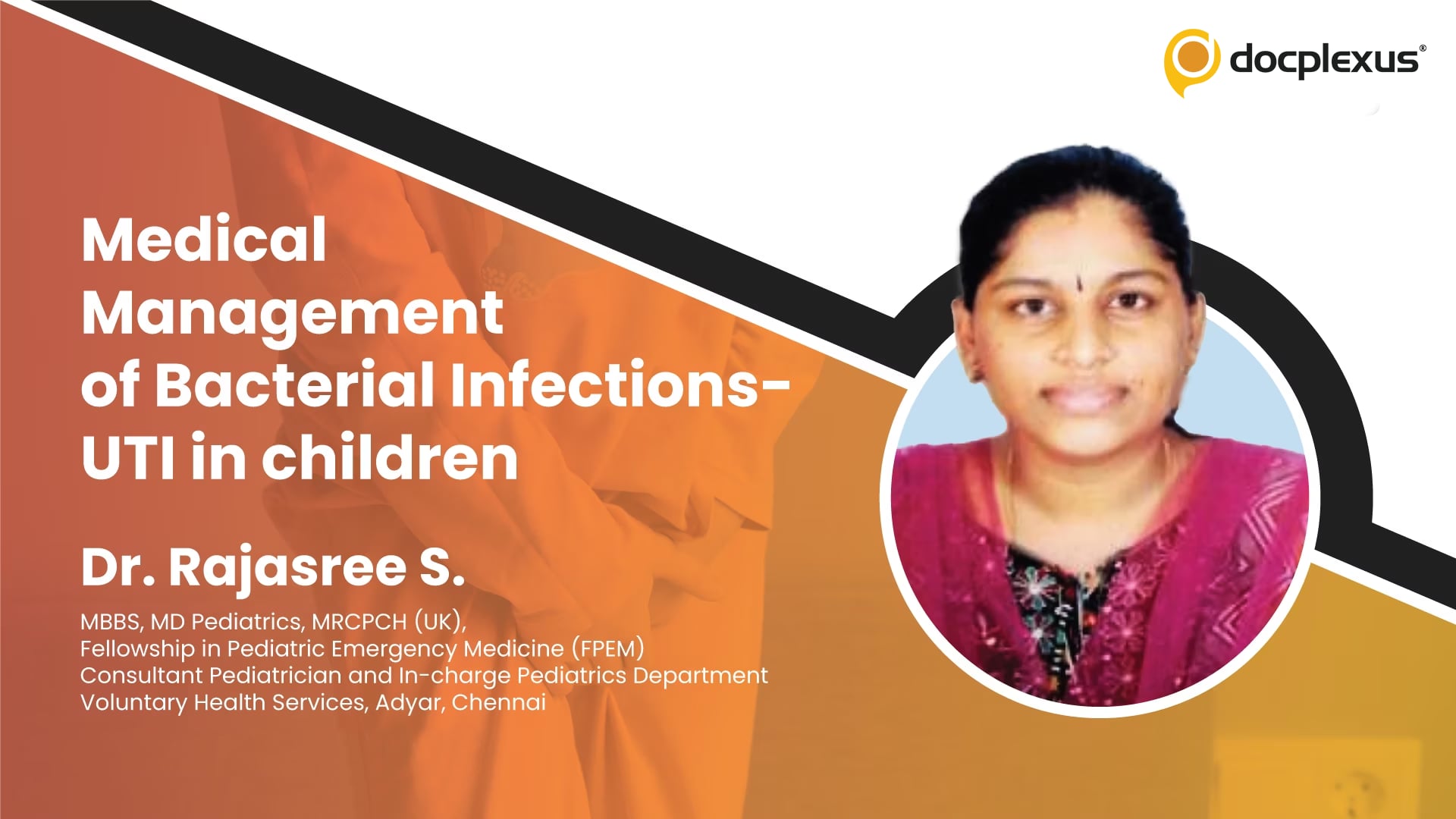
Cystitis UTI, caused by E. coli, is common among children aged under 12 years and can be treated with antibiotics. To learn more about managing UTIs in children, join the renowned pediatrician Dr. Rajasree S. in…