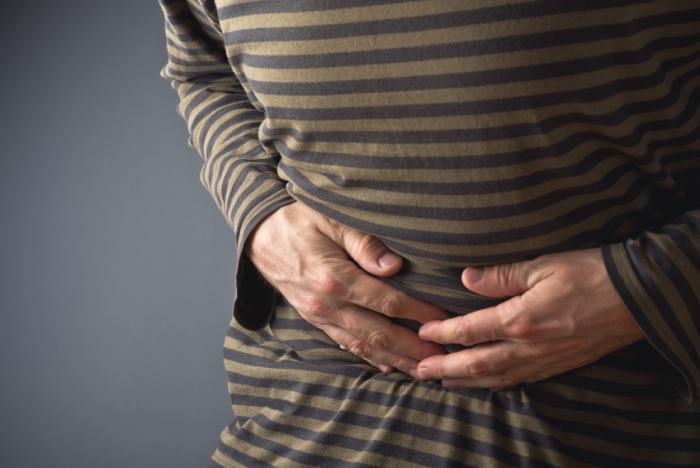
Diarrhoea is a common problem affecting between 20% and 60% of travellers, particularly those visiting low and middle income countries. Travellers’ diarrhoea is defined as an increase in frequency of bowel movements to three or more loose stools per day during a trip abroad, usually to a less economically developed region. This is usually an acute, self limiting condition and is rarely life threatening.
In mild cases it can affect the enjoyment of a holiday, and in severe cases it can cause dehydration and sepsis. We review the current epidemiology of travellers’ diarrhoea, evidence for different management strategies, and the investigation and treatment of persistent diarrhoea after travel. What you need to know Enterotoxic Escherichia coli (ETEC) is the most common cause of acute travellers’ diarrhoea globally Chronic (>14 days) diarrhoea is less likely to be caused by bacterial…