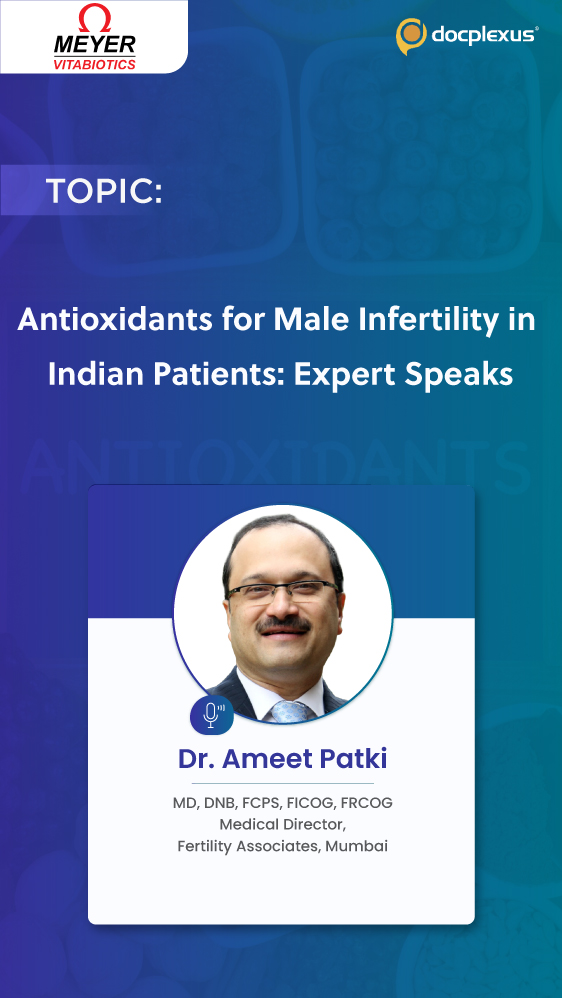
In India alone, approximately 15–20 million infertile couples are estimated each year, emphasizing the urgent need for action to address this widespread issue. Male infertility is often associated with semen abnormalities, such as oligospermia , asthenozoospermia , and teratozoospermia . Sperm DNA damage is closely linked to reduced fertility, an increased risk of spontaneous abortions, and compromised embryo quality. Available treatment options for male infertility have particular concerns like higher cost, uncertain clinical effectiveness, and adverse effects.
This highlights the necessity for a convenient, cost-effective, and clinically proven therapeutic agent to serve as the primary treatment option. Antioxidants have gained considerable interest in treating male infertility due to their affordability, convenience, and long-term safety benefits in managing it. In this video,…