
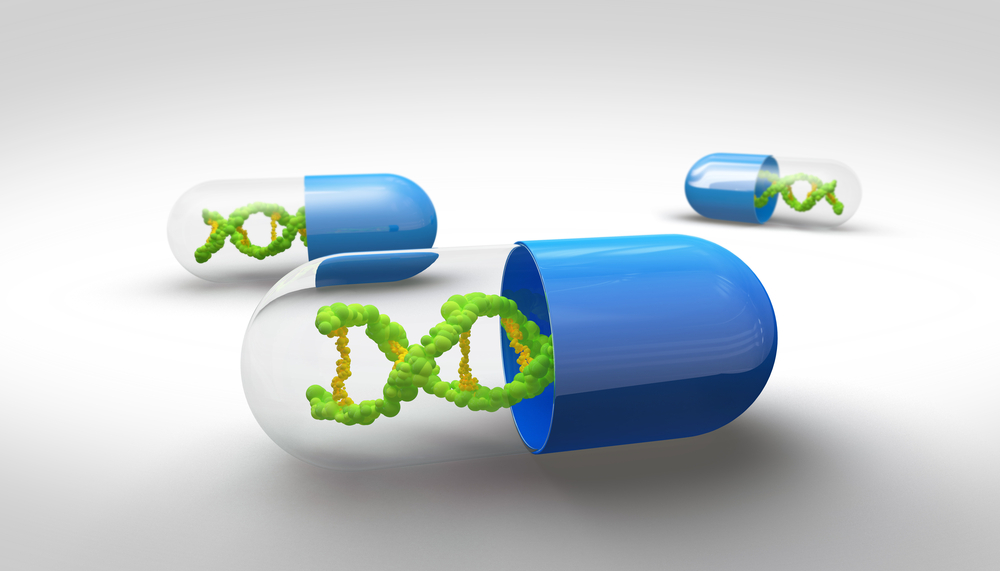
Though in its experimental stage, gene therapy holds immense potential in fracture healing. Potentially, it can be used for sustained and targeted delivery for osteoinductive signals, osteogenic cells or matrix for bone formation at the site of healing. Experimental animal studies have shown promising results, but clinical evaluation faces inherent hurdles. Large bone defects are a therapeutic challenge due to the end result of non-union or delayed unions.
Various techniques including allografts, autografts, bone graft substitutes, osteogenic growth factors and stem cells have been developed to enhance healing of fractures. Gene therapy is the latest technology purported for this purpose. Bone healing processes require the presence of osteogenic cells in a conducive atmosphere of osteoinductive stimuli, osteoconductive matrix and stable mechanics. Principles of gene therapy The basic…