
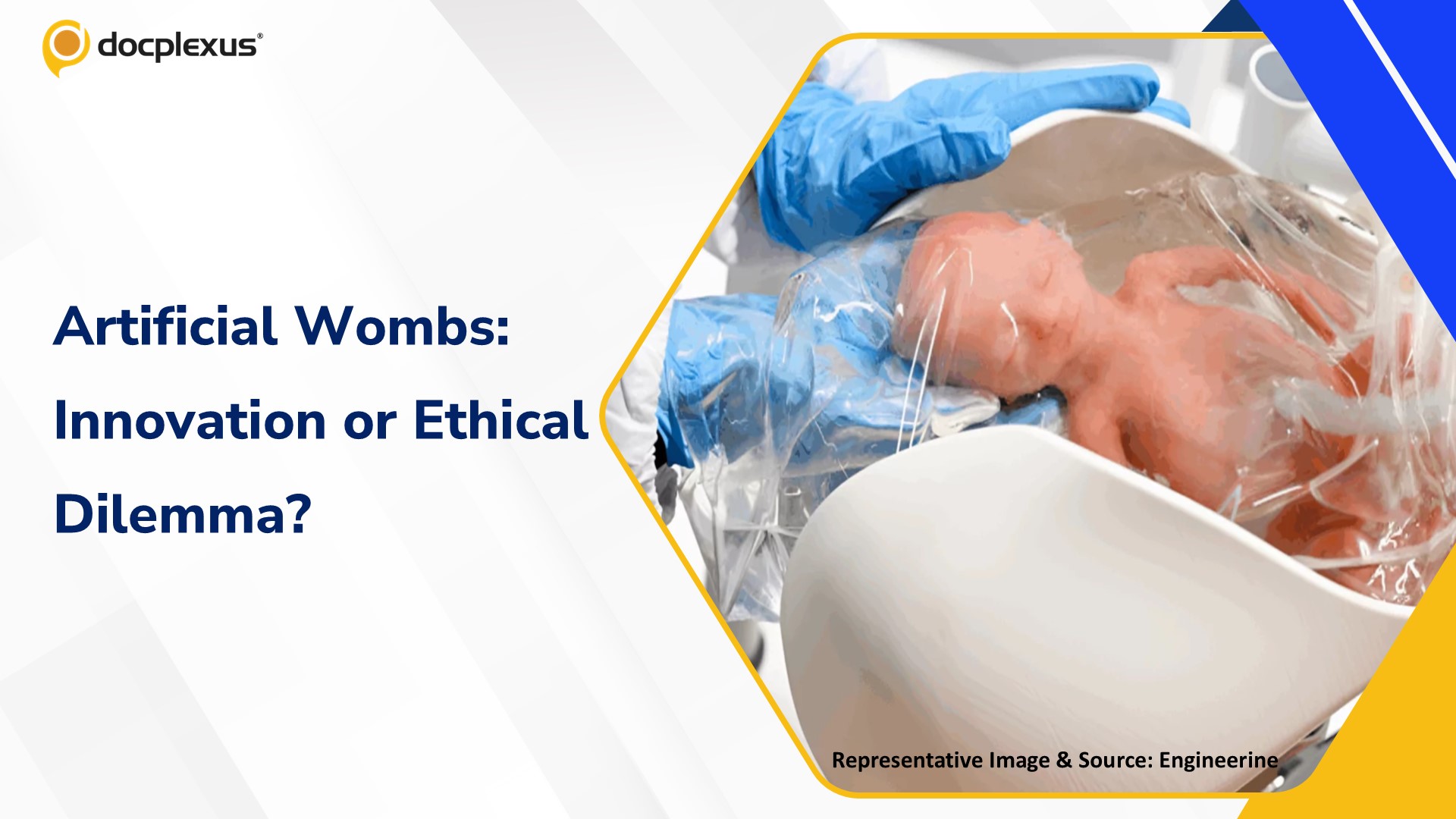
Artificial womb technology (AWT) aims to create a womb-like environment outside the mother’s body, supporting extremely preterm infants born before 28 weeks through fluid-filled chambers and artificial placentas that mimic natural gestation. Early animal trials, including preterm lambs, have shown stable growth, improved lung and brain maturation, and reduced complications compared to conventional NICU care. The promise is huge lower rates of bronchopulmonary dysplasia, brain hemorrhage, and necrotizing enterocolitis, but so are the ethical and clinical dilemmas.
Transferring an infant to an artificial womb carries maternal surgical risks, and questions remain about long-term child outcomes, consent, and how this could shift definitions of viability and reproductive rights. If proven safe and effective in humans, AWT could redefine neonatal care at the edge of viability. But its…

