
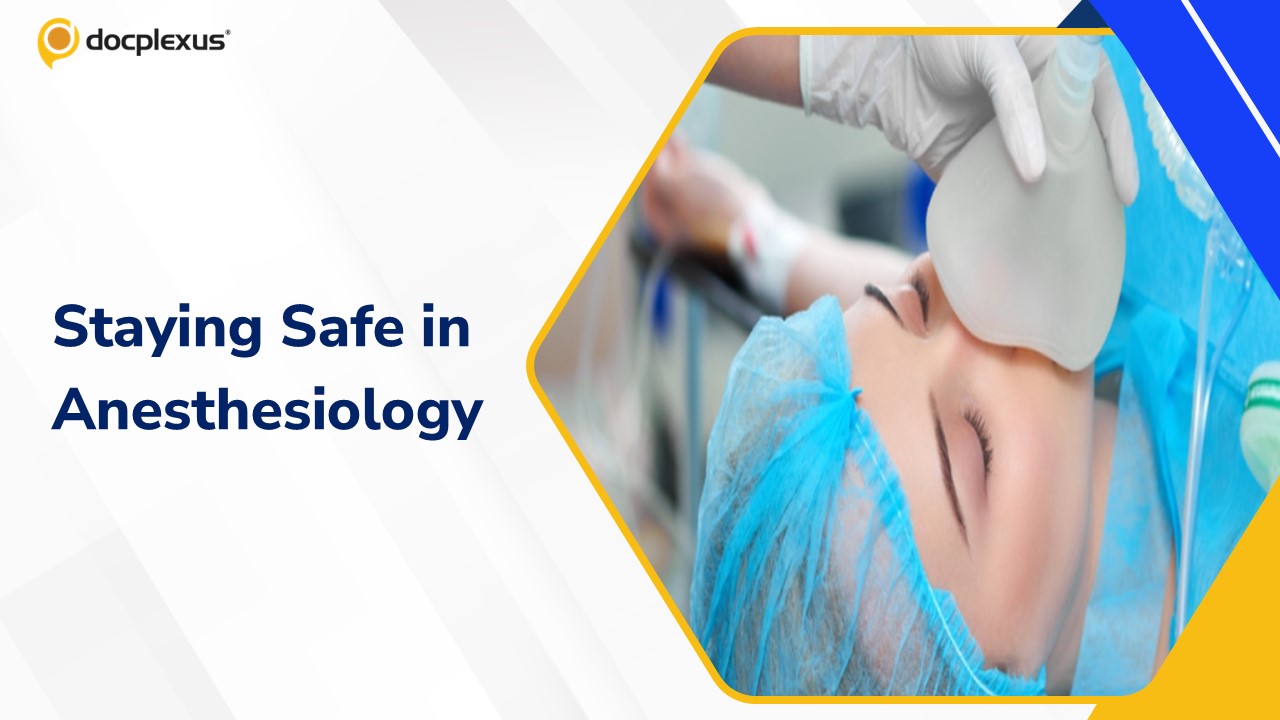
The field of anesthesiology, though vital to modern medicine, carries significant occupational risks for practitioners. Anesthesiologists spend much of their time in the operating room an environment filled with potential hazards while also working in intensive care units, MRI suites, pain clinics, trauma centers, and even during disaster management. Across these diverse settings, they face exposure to a wide range of biological, mechanical, physical, chemical, and personal hazards that can affect their health and well-being.
Biological Hazards: Anesthesiologists are at high risk of contracting infectious diseases such as tuberculosis, HIV, hepatitis, and swine flu due to frequent exposure to patients’ blood and body fluids. Infections may spread through needle-stick injuries, contact with contaminated equipment, or inhalation of airborne droplets. Preventive strategies include strict…

