
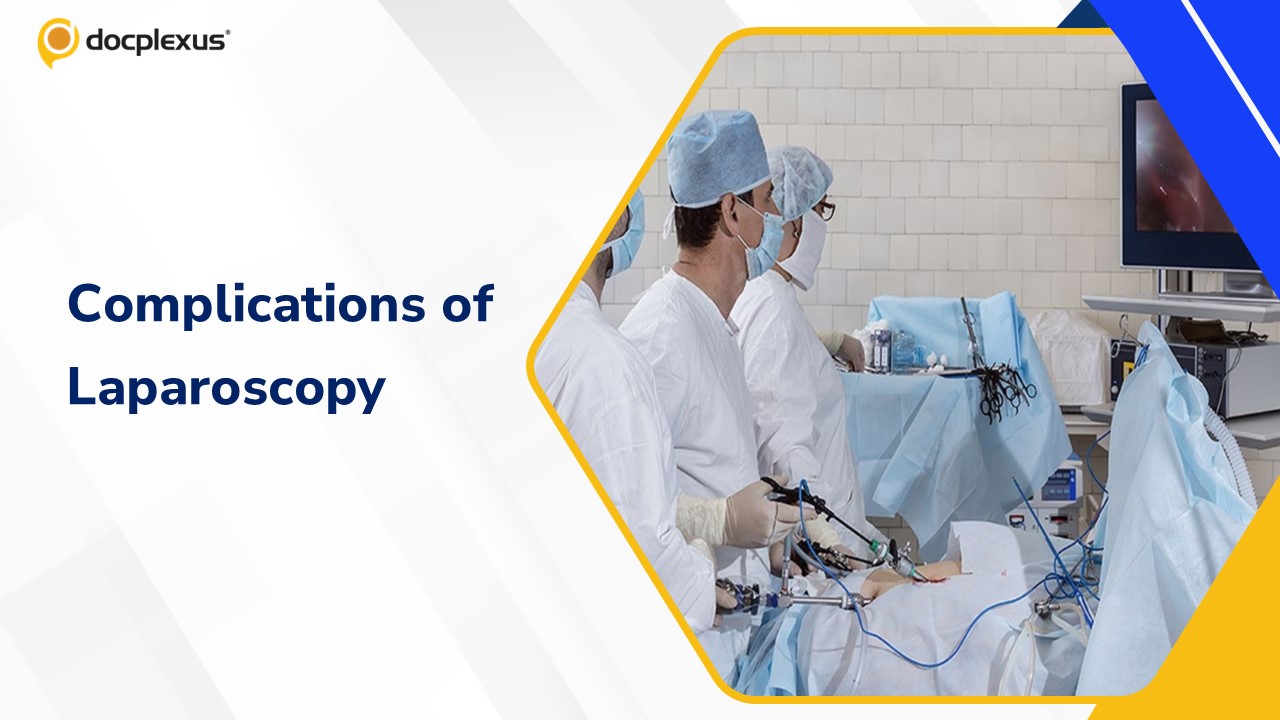
Laparoscopic surgery has become a cornerstone of modern minimally invasive care, offering clear advantages such as reduced postoperative pain, minimal scarring, shorter hospital stays, and faster recovery compared with open procedures. Despite these benefits, significant complications may still occur and are generally grouped according to the stage of the procedure: access to the peritoneal cavity, physiological effects of pneumoperitoneum, and operative-stage complications. Access to the abdominal cavity is commonly achieved using either a closed technique, which involves Veress needle insertion followed by trocar placement, or an open (Hasson) technique with direct visualization.
Although newer entry systems and standardized safety protocols have reduced risks, the majority of serious complications, particularly vascular and bowel injuries, still occur during this entry phase. Modern…

