docplexus
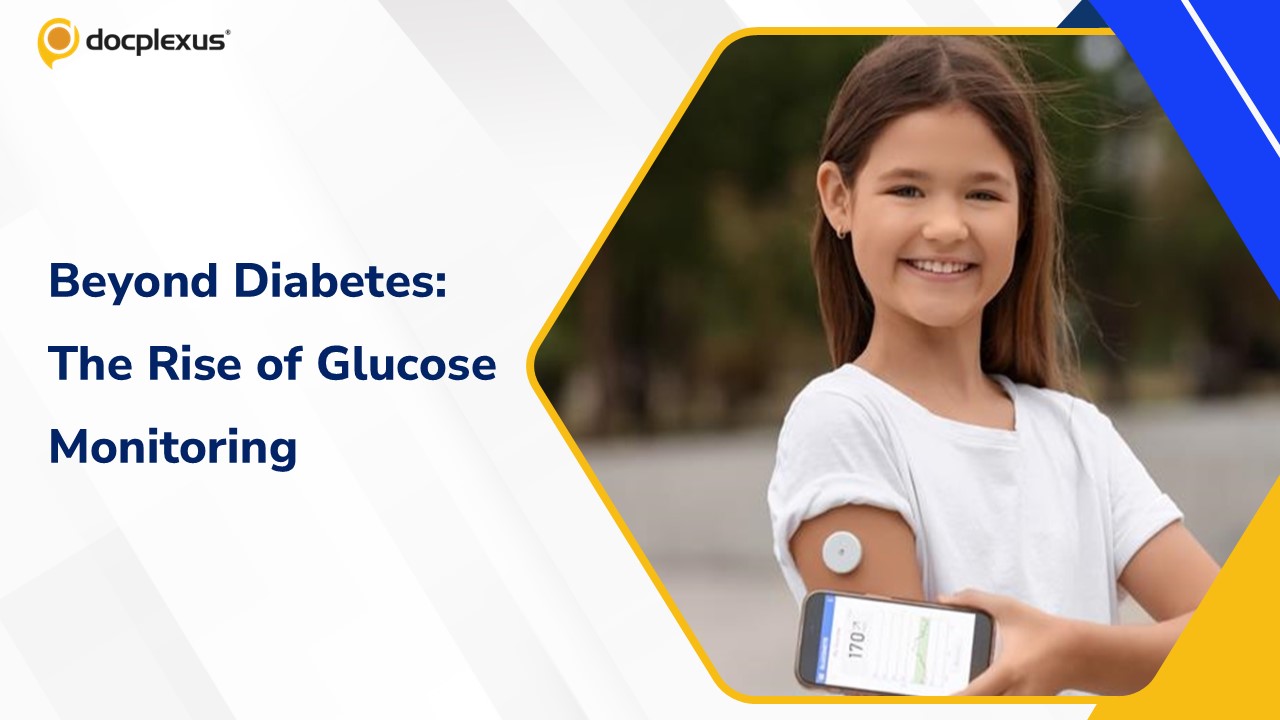
Continuous glucose monitoring (CGM), once primarily reserved for patients with diabetes, is increasingly being adopted by individuals without diabetes seeking insights into metabolic health. Wearable CGM devices can track interstitial glucose levels in real time, allowing users to observe glycemic responses to meals, exercise, sleep, and stress. This growing trend is driven by the expanding availability of CGM technology and the broader consumer interest in personalized health tracking and metabolic optimization .
However, the clinical value of CGM in non-diabetic individuals remains uncertain. In healthy populations, glucose levels are typically tightly regulated, and transient fluctuations observed on CGM may not necessarily reflect pathology. Some experts caution that interpreting minor glycemic excursions without clinical context could lead to overinterpretation, unnecessary…