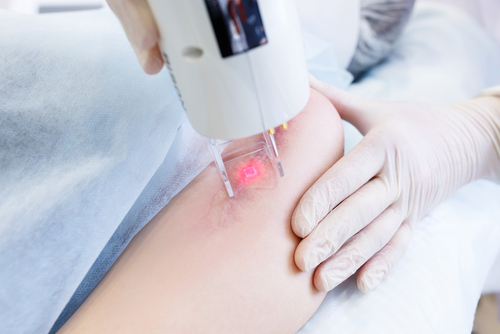
Definition: Improved technology, better reliability, and reduced cost have to an explosion in the applications for medical lasers over the past decade. Lasers deliver sterile, intense energy to tissue in both cutting and coagulation modes. Patients and operating room personnel are exposed to certain hazards with medical lasers, including atmospheric contamination, inadvertent perforation of a tissue structure or vessel, ignition of flammable material, and embolism. Although there are no federal safety requirements, for medical lasers, there are national safety standards.
The latter exist to decrease or prevent laser mishaps. Laser hazards are classified into four general risk categories, ranging from no risk to substantial risk. Medical lasers fall into the highest risk level. Therefore, proper use requires trained personnel and protective equipment for the operation of medical lasers.…