
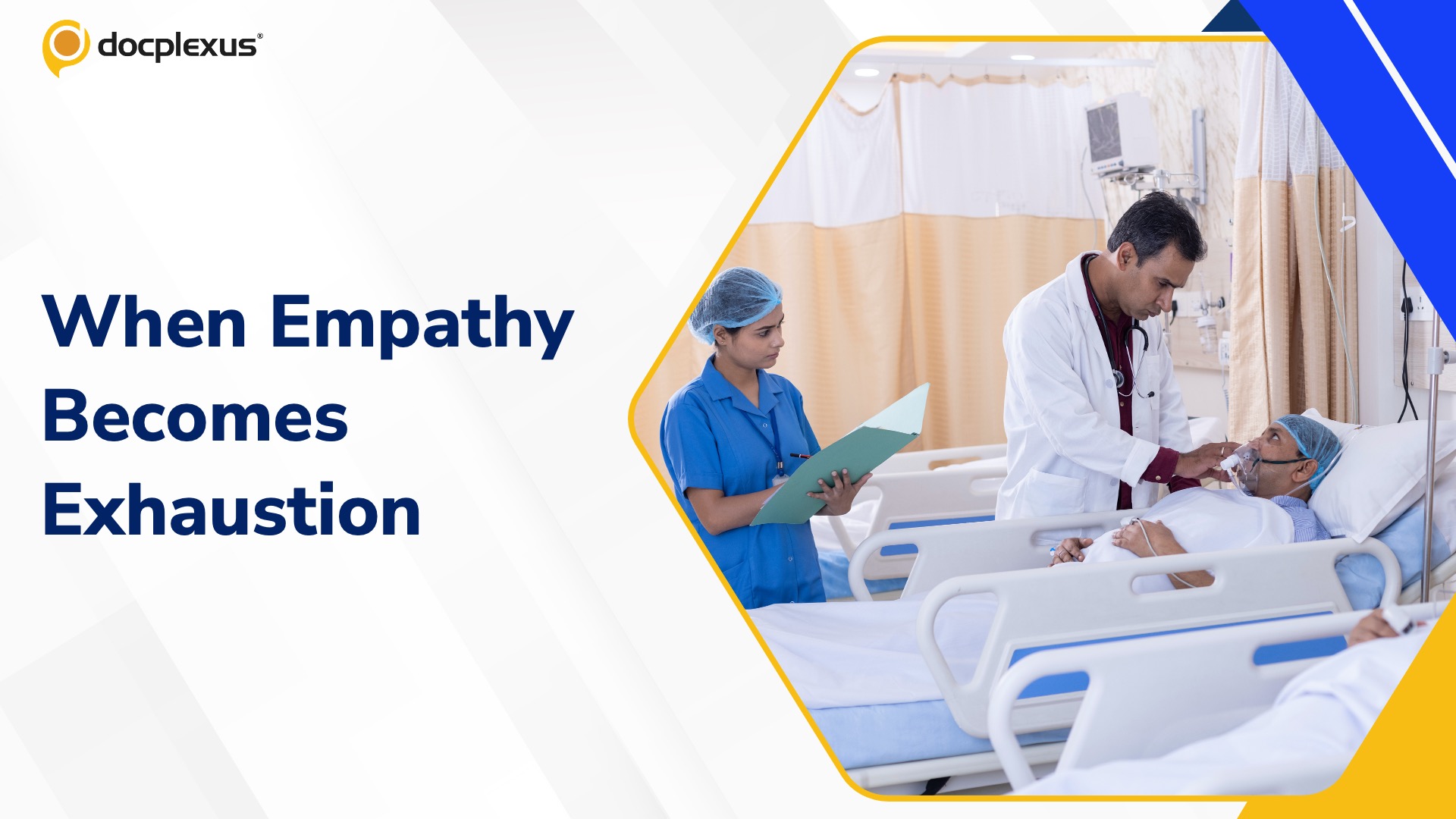
As healthcare demands grow alongside an aging population, clinicians face not only increasingly complex patient cases but also the challenges of rapidly evolving medical technologies and institutional expectations. Beyond technical expertise, medical staff must maintain effective doctor–patient relationships, often under high-pressure environments where their actions directly influence patient outcomes and safety. A less visible yet critical dimension of this strain is emotional labor, the deliberate management of one’s emotions to convey empathy, calm, and professionalism in patient care.
Emotional labor can manifest as surface acting, where clinicians mask their true feelings, or deep acting, where they actively try to align their emotions with the needs of the situation. Prolonged engagement in such emotional regulation has been linked to emotional exhaustion, compassion fatigue, and…

