docplexus
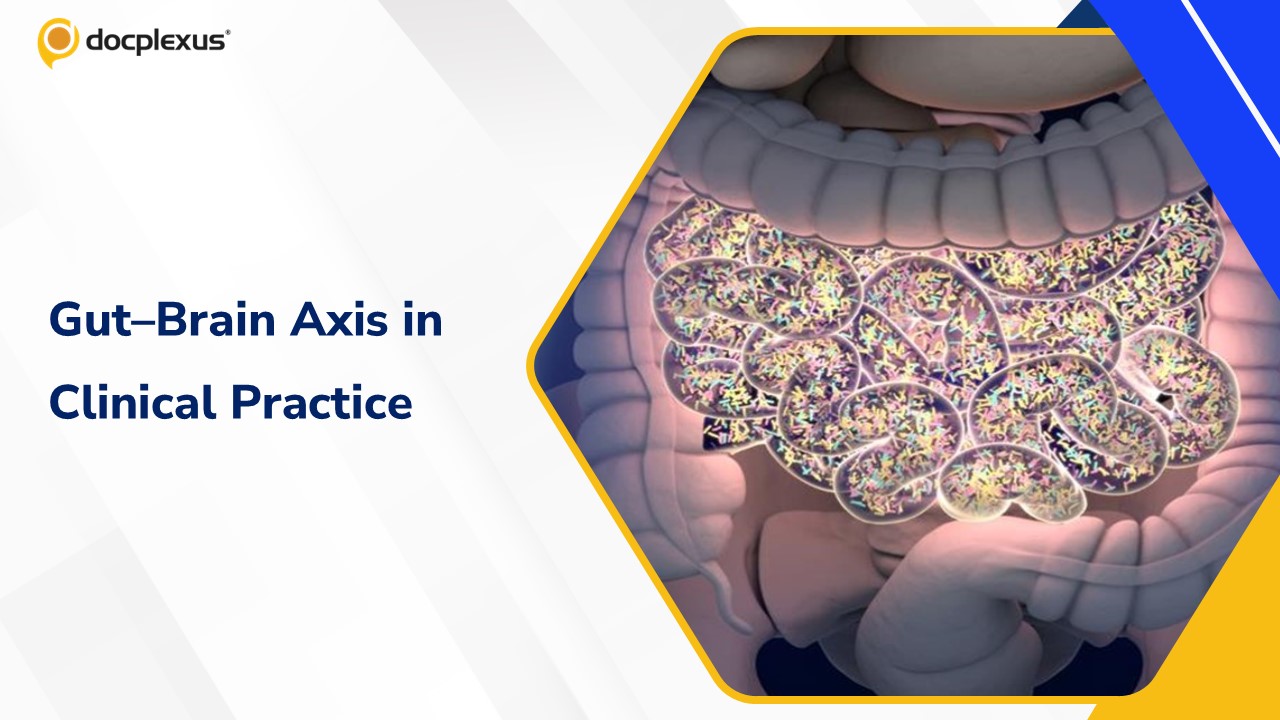
Growing research on the gut–brain axis has highlighted the significant influence of the intestinal microbiome on neurological and psychological health. The bidirectional communication between the central nervous system, enteric nervous system, immune pathways, and gut microbiota plays a critical role in regulating mood, cognition, and stress responses. Alterations in gut microbial diversity often termed dysbiosis have been associated with several neuropsychiatric conditions, particularly depression and anxiety disorders.
Emerging clinical and experimental evidence suggests that individuals with depression often demonstrate reduced microbial diversity and altered abundance of key bacterial taxa involved in neurotransmitter synthesis and immune modulation. Certain gut microbes can influence the production of serotonin, gamma-aminobutyric acid (GABA), and short-chain fatty acids, which…