
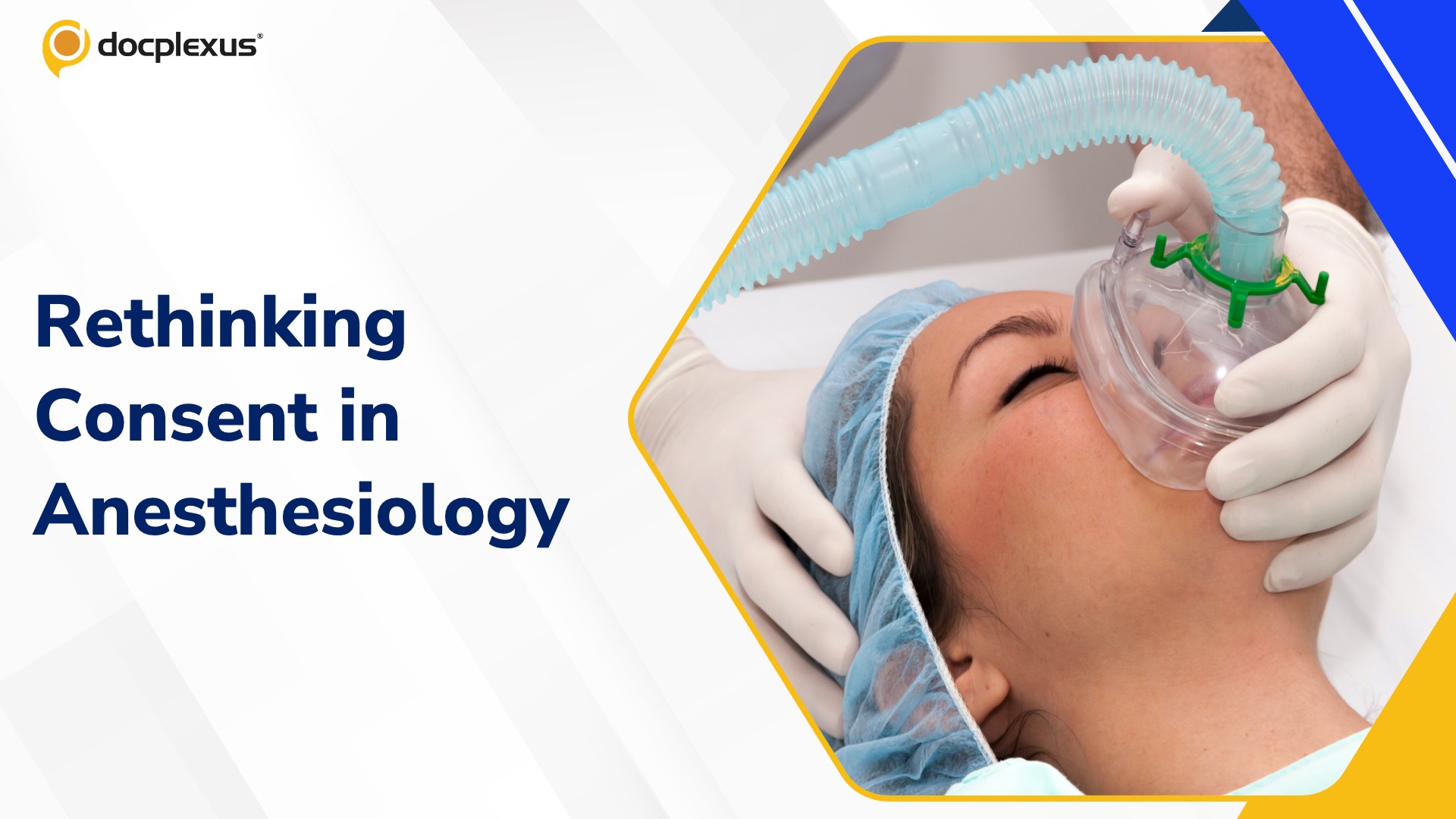
Anesthesiologists have long advocated for recognition as skilled professionals with a scope of practice distinct from that of surgeons. One of the unique challenges they face lies in obtaining informed consent—an essential yet often misunderstood aspect of safe anesthesia care. In many cases, patients who consent to surgery are assumed to have automatically consented to anesthesia, despite anesthesia carrying its own set of risks, benefits, and consequences.
To truly empower patients to make informed decisions, anesthetists must provide clear, comprehensible information about anesthesia and related procedures. Obtaining separate informed consent should not be viewed as a mere formality, but as an opportunity for meaningful, two-way communication between the anesthetist and the patient. The Consent Process Information regarding anesthesia must be provided exclusively by the anesthetist…

