
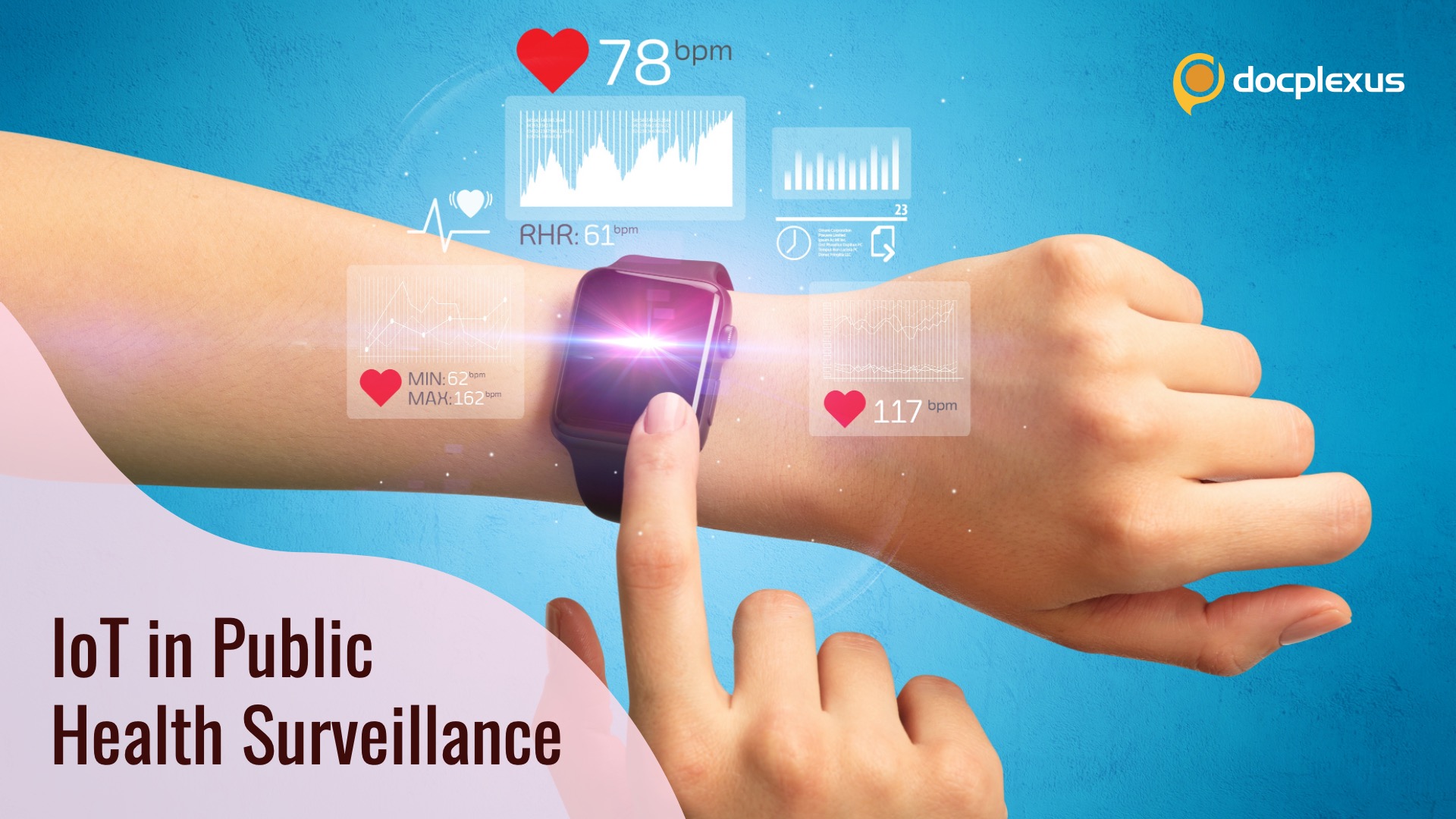
The internet of things (IoT) has emerged as one of the most important technologies of the 21st century over the past few years. With the advent of low-cost computer chips and the widespread use of wireless networks, it's now possible to turn anything, from a pill to an airplane, into a part of the IoT. Needless to say, it has numerous applications, and public health surveillance is one of them.
Instead of manually collecting data, IoT can save us time and resources by collecting data on heart rhythm, oxygen saturation, physical activity, sedentary time, sleep, diet, and brainwaves using just one thing – the “ internet .” IoT devices, such as household devices, wearable devices, radio-frequency identification (RFID) tags, mobile phones , and mobile applications , are interconnected via the internet. Over three billion people worldwide use smartphones. Approximately 1.2 billion…

