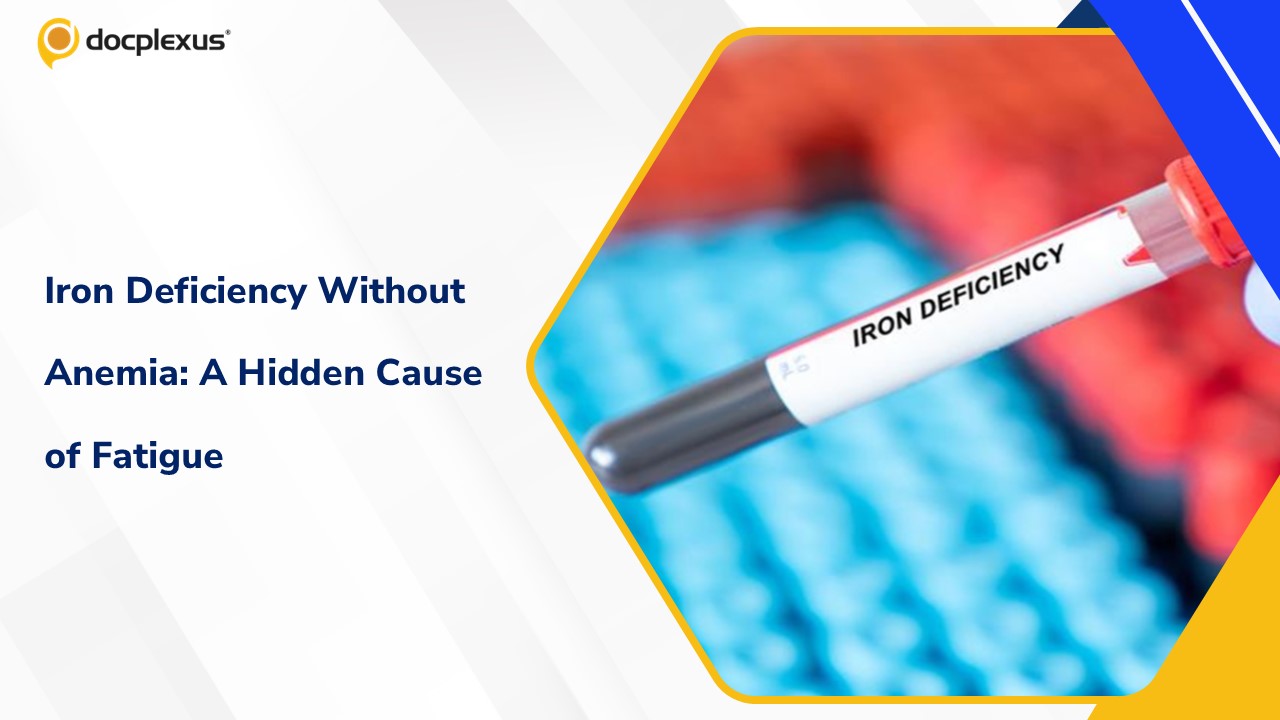
Iron deficiency is traditionally associated with anemia; however, iron deficiency without anemia (IDWA) is increasingly recognized as a clinically relevant condition that may significantly affect patient well-being. In many individuals, particularly women of reproductive age , iron stores may become depleted before haemoglobin levels fall below diagnostic thresholds for aaemia. Despite normal haemoglobin values, patients may present with persistent fatigue, reduced exercise tolerance, impaired cognitive function, and decreased work productivity , symptoms that are often overlooked or attributed to lifestyle factors.
The condition is commonly driven by chronic menstrual blood loss, increased physiological demands during pregnancy, inadequate dietary intake, or malabsorption disorders . Studies suggest that a substantial proportion of menstruating women have low iron stores despite…