
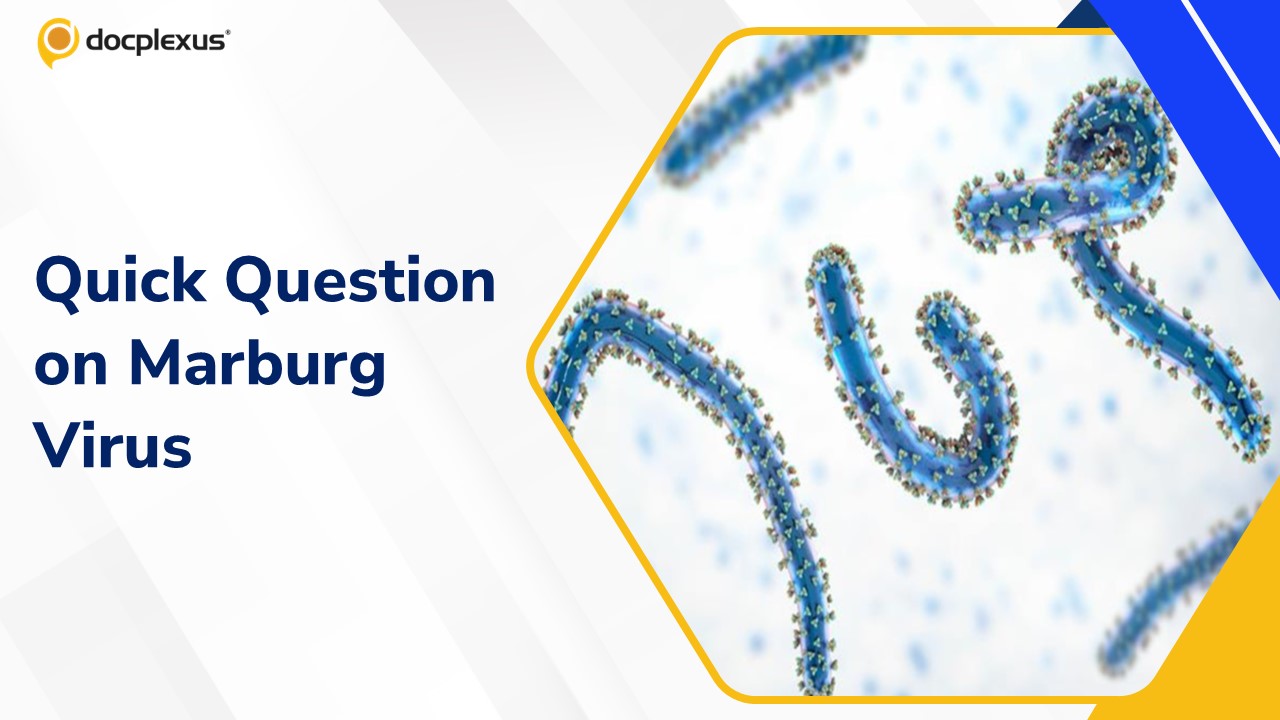
Marburg virus disease (MVD), formerly known as Marburg hemorrhagic fever, is a rare but highly fatal hemorrhagic fever caused by the Marburg virus (MARV), with a fatality rate of up to 90%. The natural reservoir of MARV is the Egyptian fruit bat Rousettus aegyptiacus, which plays a key role in its transmission. The virus spreads through inhalation or contact with contaminated bat excreta, as well as human-to-human transmission via bodily fluids.
MVD initially presents with fever, fatigue, chills, myalgia, arthralgia, headache, malaise, gastrointestinal symptoms, and blood coagulation disorders, eventually progressing to hemorrhagic shock and multiorgan failure. Hemorrhagic manifestations of MVD include blood in vomitus and feces and bleeding from the nose, gums, and vagina. PCR is the preferred method for early diagnosis of MVD, while IgG-capture ELISA is useful for detecting…

