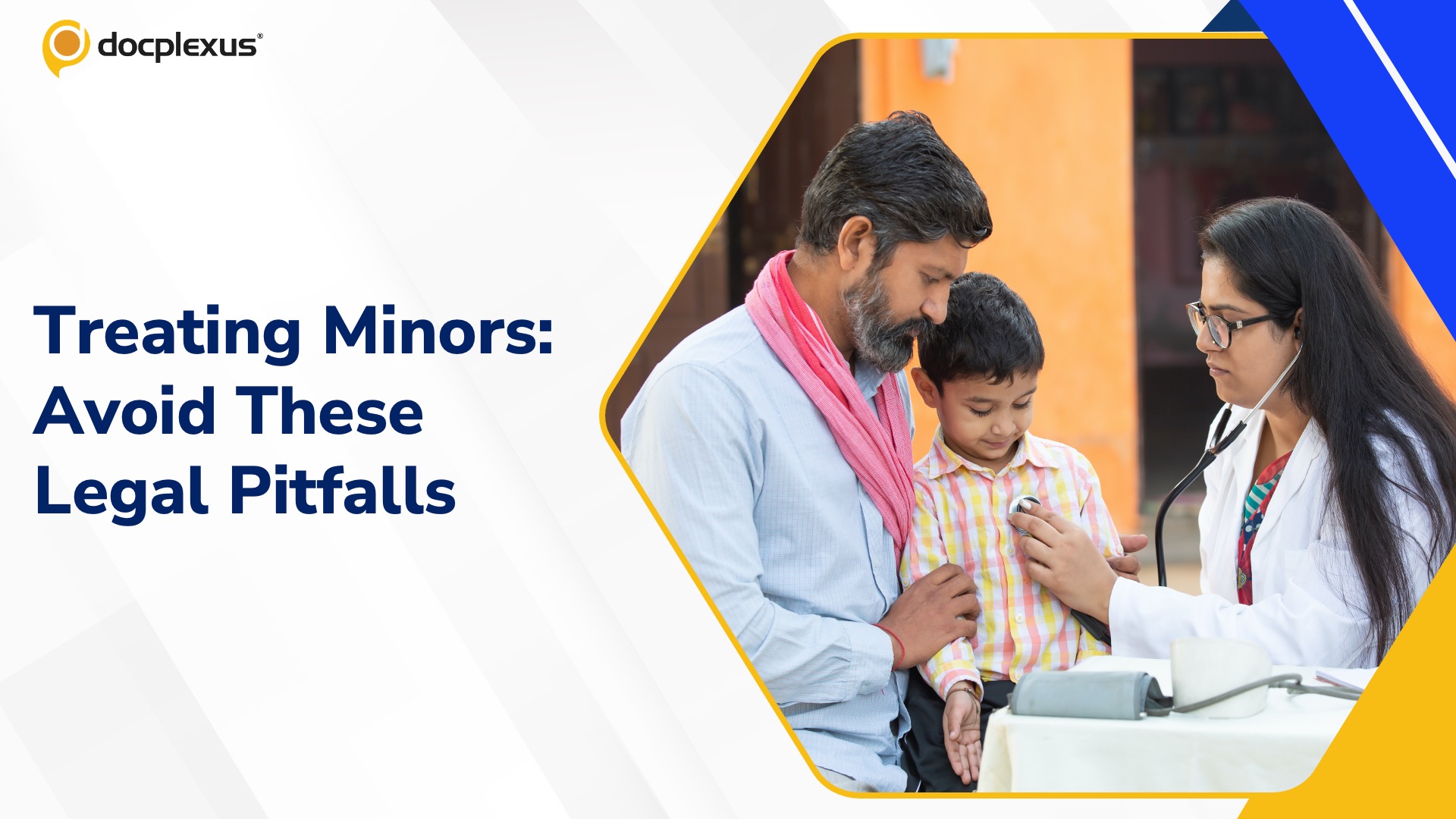
When treating minors, clinicians must balance medical care with legal and ethical considerations. Informed consent for minors typically requires a parent or legal guardian. However, the process becomes complex in cases involving divorced parents, step-parents, or emancipated adolescents. Clinicians should not assume consent validity based solely on who accompanies the child to the clinic. Instead, they must review custody documents to determine who holds legal authority to provide consent.
Informed consent is an ongoing process—not merely a signed form. Especially in psychiatry and pediatrics, explaining treatment options, risks, and benefits to both the guardian and the minor is crucial. In addition to legal consent, obtaining the minor's assent—a developmental-level agreement—is recommended by the American Academy of Child and Adolescent Psychiatry. This dual approach respects both…