
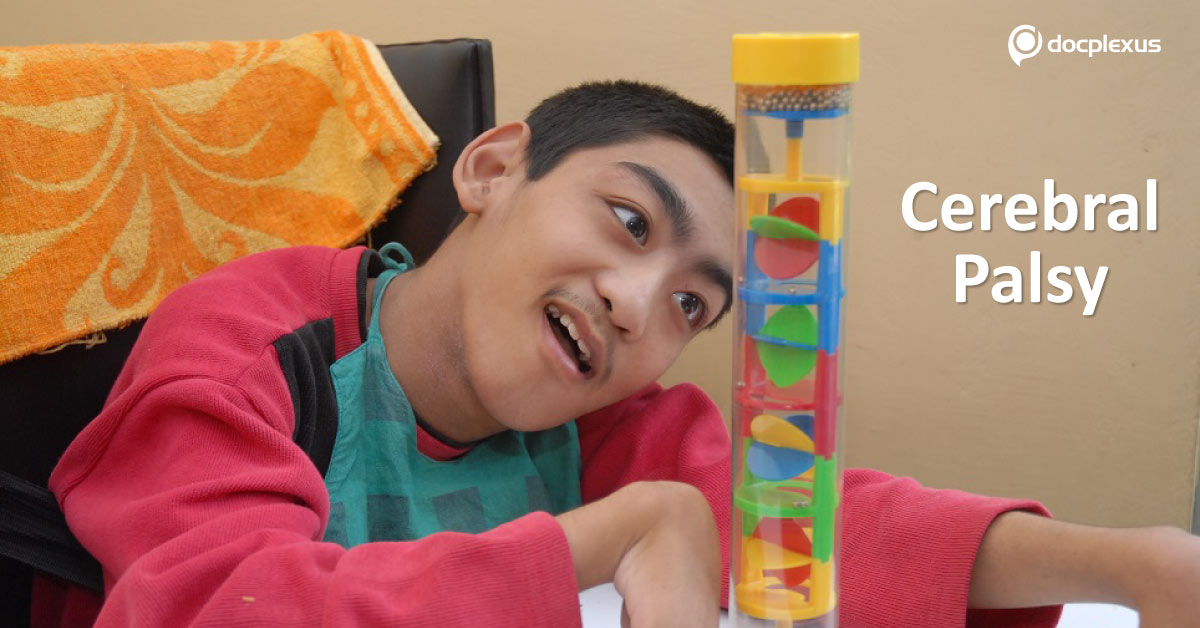
In India, about 25 lakh children suffer from cerebral palsy (CP) and majority of these children are affected by spasticity. American Academy of Neurology (AAN) has published a guideline for safe and effective pharmacologic treatment of spasticity in CP children. This article gives a brief summary of guideline recommendations. Cerebral palsy (CP) is a group of permanent movement disorders due to abnormal brain development with unknown causes.
Spasticity, dyskinesia, ataxia and hypotonia are the common symptoms associated with CP. 85-91% CP children develop spasticity. Spasticity is defined as “hypertonia in which one or both of the following signs are present- Resistance to externally imposed movement increases with increasing speed of stretch and varies with the direction of joint movement Resistance to externally imposed movement rises rapidly above a threshold speed of joint angle.…