
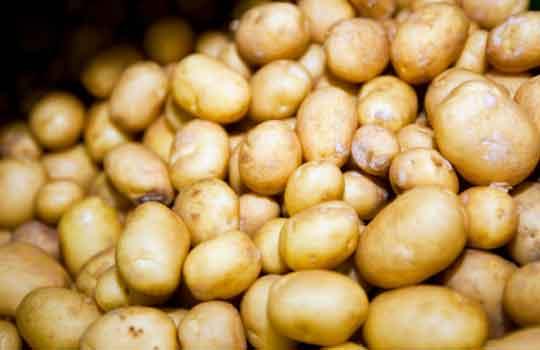
Potatoes are the third most commonly consumed food crop in the world, after rice and wheat. In the United States, about 35% of women of reproductive age (that is, aged 19-50) consume potatoes daily, accounting for 8% of daily total energy intake. The health effects of potatoes are inconclusive, and there have been longstanding debates on the appropriate placement of potatoes in dietary guidance.
Nonetheless, the Dietary Guidelines for Americans continue to include potatoes in the vegetable food group and encourage consumption. Though potatoes are rich in vitamin C, potassium, dietary fiber, and some phytochemicals, unlike other vegetables they can have detrimental effects on glucose metabolism because they contain large amounts of rapidly absorbable starch. Indeed, several epidemiologic studies have linked higher potato consumption to increased concentrations of fasting plasma glucose,…