
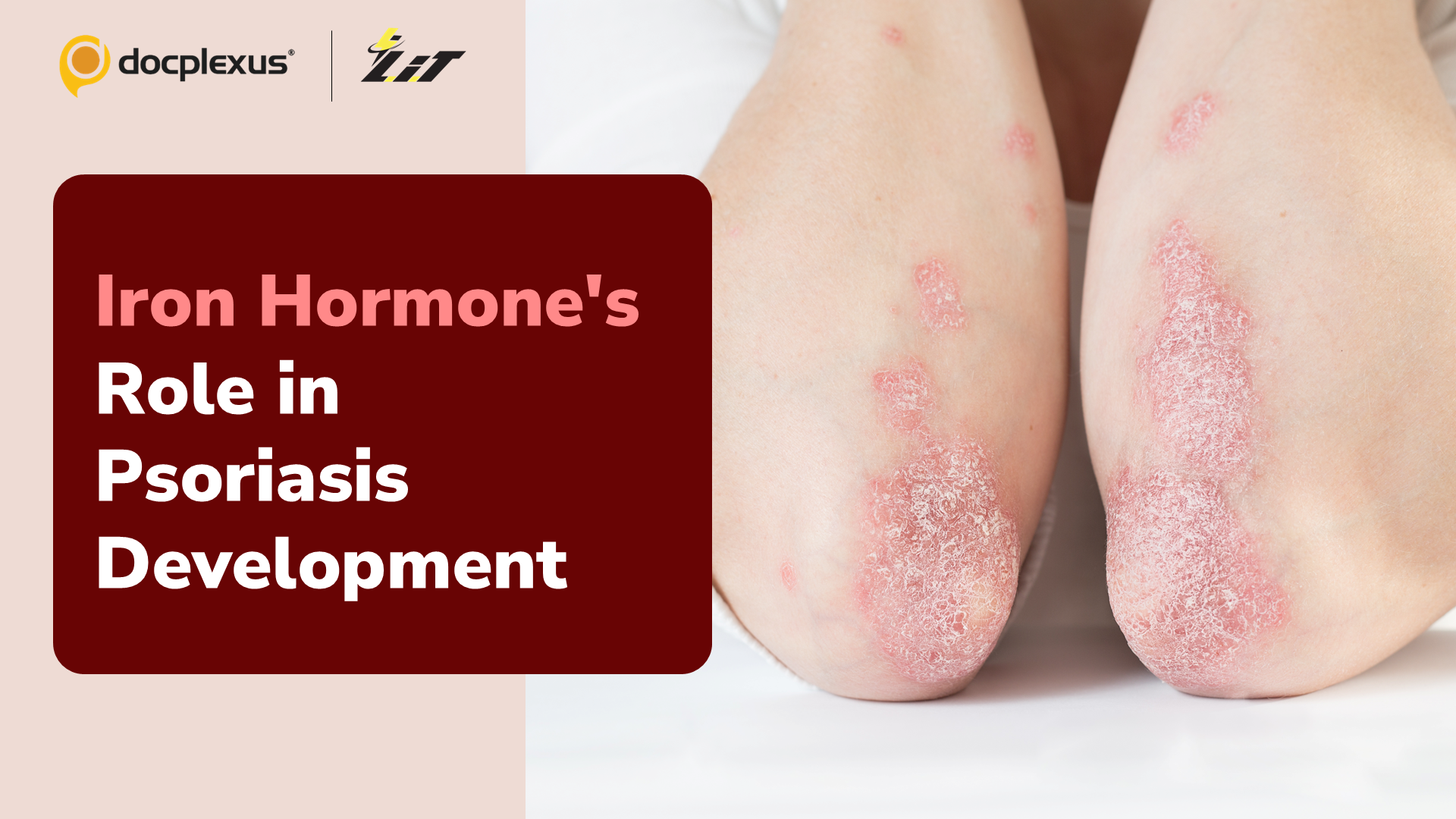
Scientists may have identified the primary cause of psoriasis, a chronic skin disease affecting 2-3% of the global population. The condition, characterized by red, scaly patches, significantly impacts patients' quality of life. New research points to the hormone hepcidin as a potential trigger for psoriasis, marking the first time it has been linked to the disease.
Hepcidin, which regulates iron levels in the body, may cause an iron overload in the skin, leading to psoriasis symptoms. The study, published in Nature Communications, involved exposing mice to high levels of skin-produced hepcidin, which resulted in excessive iron accumulation, hyperproliferation of skin cells, and increased inflammation – the key characteristics of psoriasis in humans. Researchers believe this discovery could pave the way for new treatments that target the iron hormone imbalance, offering a more effective…