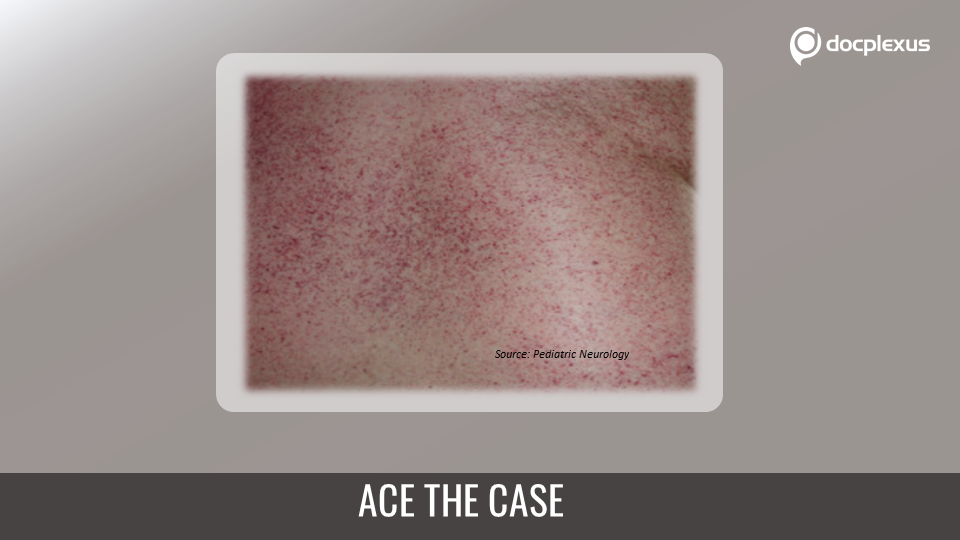
Although psoriasis appears as a skin condition, it is actually an autoimmune disease. Part of the reaction occurs when a type of white blood cell called a T cell mistakenly attacks healthy skin cells. These overactive T cells then trigger other immune responses that collectively speed up the growth cycle of skin cells, causing them to move to the outermost layer of your skin in a matter of days rather than weeks. Because the dead skin cannot be removed quickly enough, it builds up into the thick patches characteristic of psoriasis.
For up to 60 percent of people with psoriasis, the condition seriously impacts their daily life. Your skin may become so inflamed that it cracks and bleeds. Up to 30 percent of sufferers also develop psoriatic arthritis, which can cause debilitating joint damage. People with psoriasis are also at an increased risk of numerous other chronic diseases, including…