
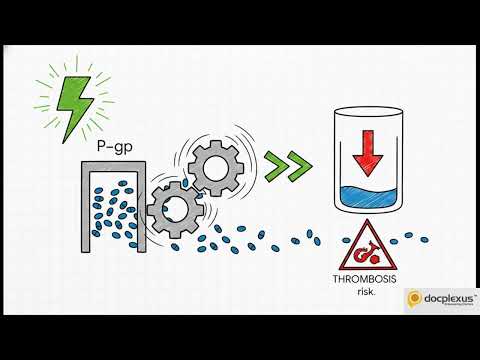
Direct Oral Anticoagulants (DOACs) are increasingly used for stroke prevention and venous thromboembolism management due to their convenience and predictable pharmacokinetics. However, as highlighted in the video, drug interactions remain a critical and sometimes underappreciated factor that can significantly alter their safety and efficacy. Many commonly prescribed medications, particularly those affecting P-glycoprotein (P-gp) and CYP3A4 pathways such as certain antifungals, antibiotics, antiepileptics, and cardiovascular drugs, can either increase bleeding risk or reduce anticoagulant effectiveness.
The video underscores the importance of a structured clinical approach that includes reviewing concomitant medications, assessing renal and hepatic function, and considering patient-specific risk factors. Recognizing these interactions early can help clinicians adjust dosing, select…

