
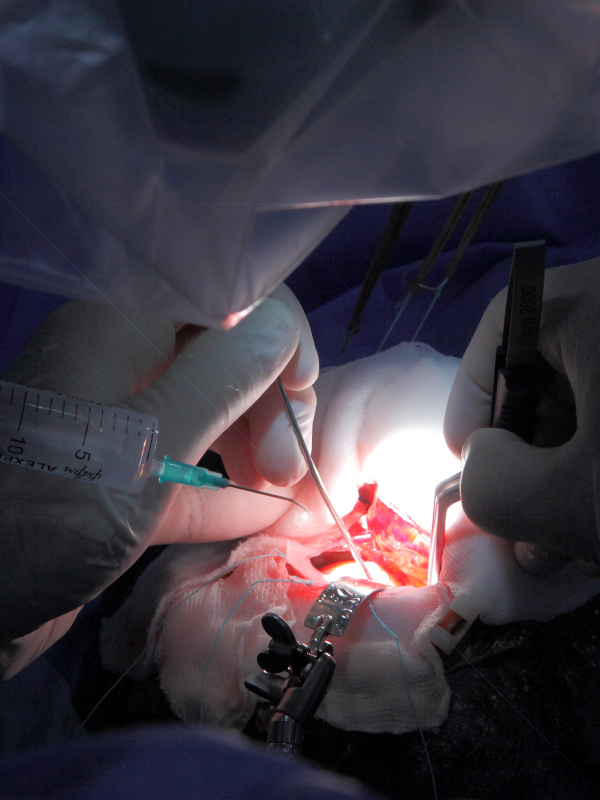
The goal of restorative neurosurgery is to restore damaged nervous system functions by selectively modifying the structural or functional characteristics of abnormal neurocontrol. The body builds new neural pathways and reroutes action when it is injured. Utilizing the plasticity of a damaged nervous system, restorative neurosurgery highlights these novel pathways. It is used to treat a variety of nerve disorders, such as upper motor neuron dysfunctions brought on by conditions like cerebral palsy, multiple sclerosis, spinal cord injury, and acquired brain injury, including stroke, as well as to manage pain and stiffness.
Restorative neurosurgery depends on enhancing residual function as opposed to reconstructive neurobiology, which emphasises structural alterations. We bring you an exclusive session on “Restorative Neurosurgery” by renowned neurosurgeon Dr. R. Ramnarayan on 29 th…

