 docplexus
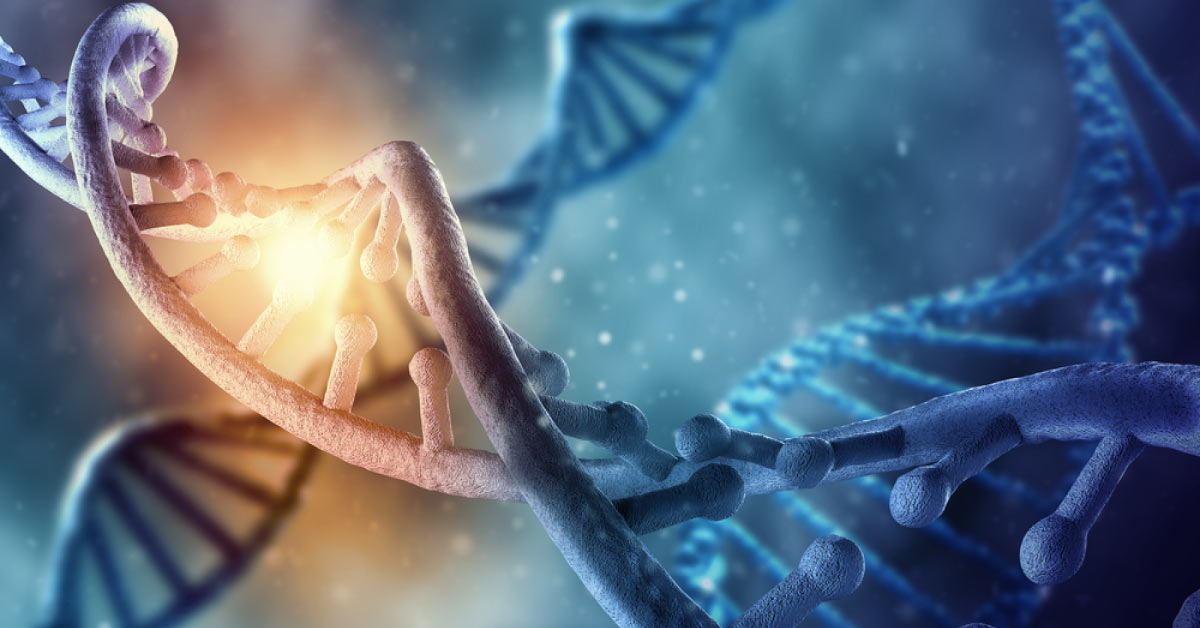
Bits of DNA that were once considered useless (Junk) actually contain instructions for making molecules that help cancer spread, say scientists involved in the Encode project. The Encode consortium's 442 researchers, situated in 32 institutes around the world, used 300 years of computer time and five years in the lab to get their results. They examined a total of 147 types of tissue – including cancer cells, liver extracts, endothelial cells from umbilical cords, and stem cells derived from embryos – and subjected them to around a hundred different experiments, recording which parts of the DNA code were activated in which cells at which times.
Noncoding RNAs can make and break molecules and fine-tune the production of proteins. Some even block harmful sequences of genetic code that entered our DNA from virus infections in our ancestors. The noncoding RNAs at the center of this study…