
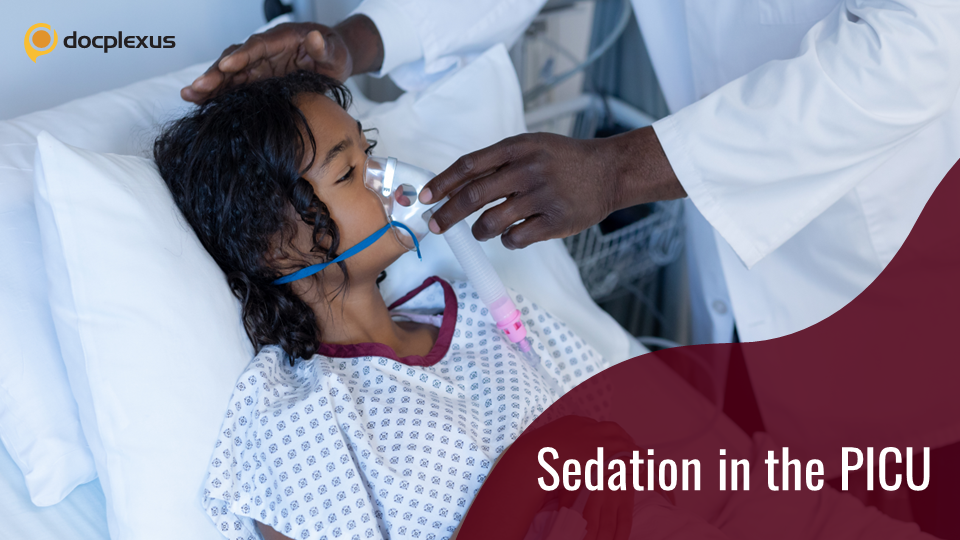
Sedation is needed for most patients on mechanical ventilation (MV) to alleviate anxiety, maintain ventilator-patient synchrony, and facilitate ventilation procedures in general. However, optimal sedation is challenging to obtain . Undersedation can result in inadvertent device removal or increased anxiety with long-term psychological and behavioral consequences.
Oversedation, on the other hand, can cause prolonged mechanical ventilation and pediatric intensive care unit (PICU)-length of stay, increase the risk of inadvertent tracheal extubation failure and delirium and result in tolerance and iatrogenic withdrawal. Moreover, the ideal depth of sedation varies significantly for each patient , depending on disease pathophysiology, invasiveness of the required intervention, and the patient’s cognitive and developmental abilities to cooperate with the healthcare professionals. Summarized…