
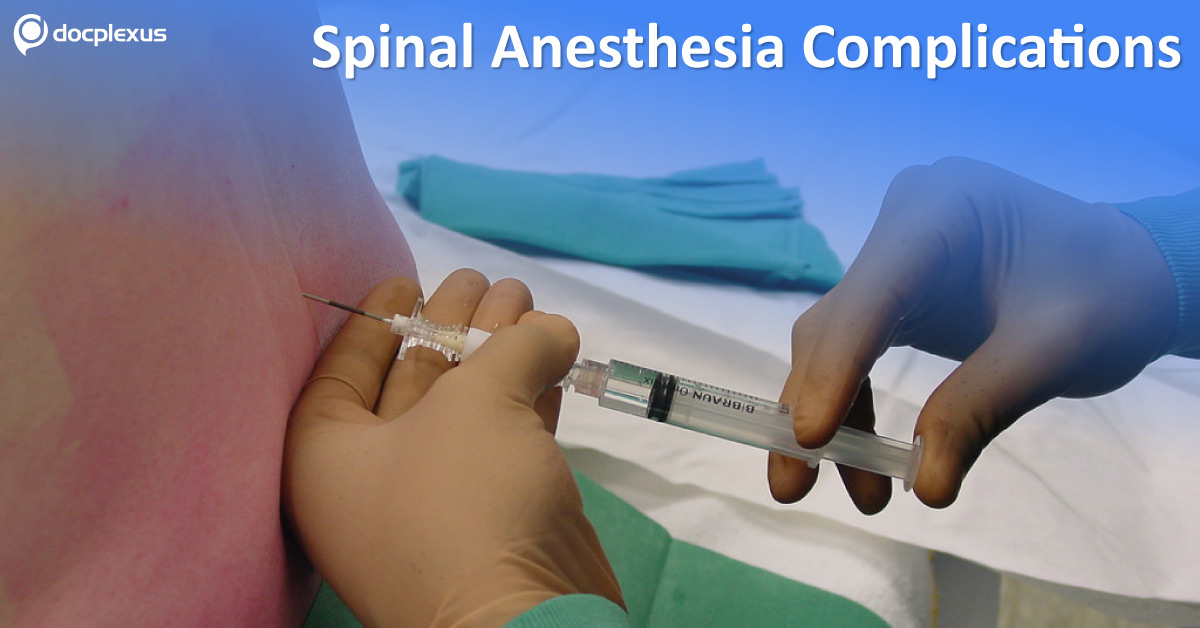
Spinal anesthesia is relatively simple procedure but due to its invasive nature, there are various hemodynamic, urinary, transient neurologic problems. The history of complications of spinal anesthesia is as old as the method itself. This article is focused on the management of hypovolaemia and bradycardia, urinary retention and postdural puncture headache, the common complications of spinal anesthesia.
Increasing co-morbidities, concomitant medication, surgery for advanced malignancy, patients with compromised immune systems, as well as instances of infection pose a real challenge to the use of spinal anesthesia. The most common complications of spinal anesthesia are hypotension, bradycardia, urinary retention and postdural puncture headache. Management of Common Complications Hypovolaemia and bradycardia Relative hypovolaemia caused by spinal anesthesia is successfully prevented…