
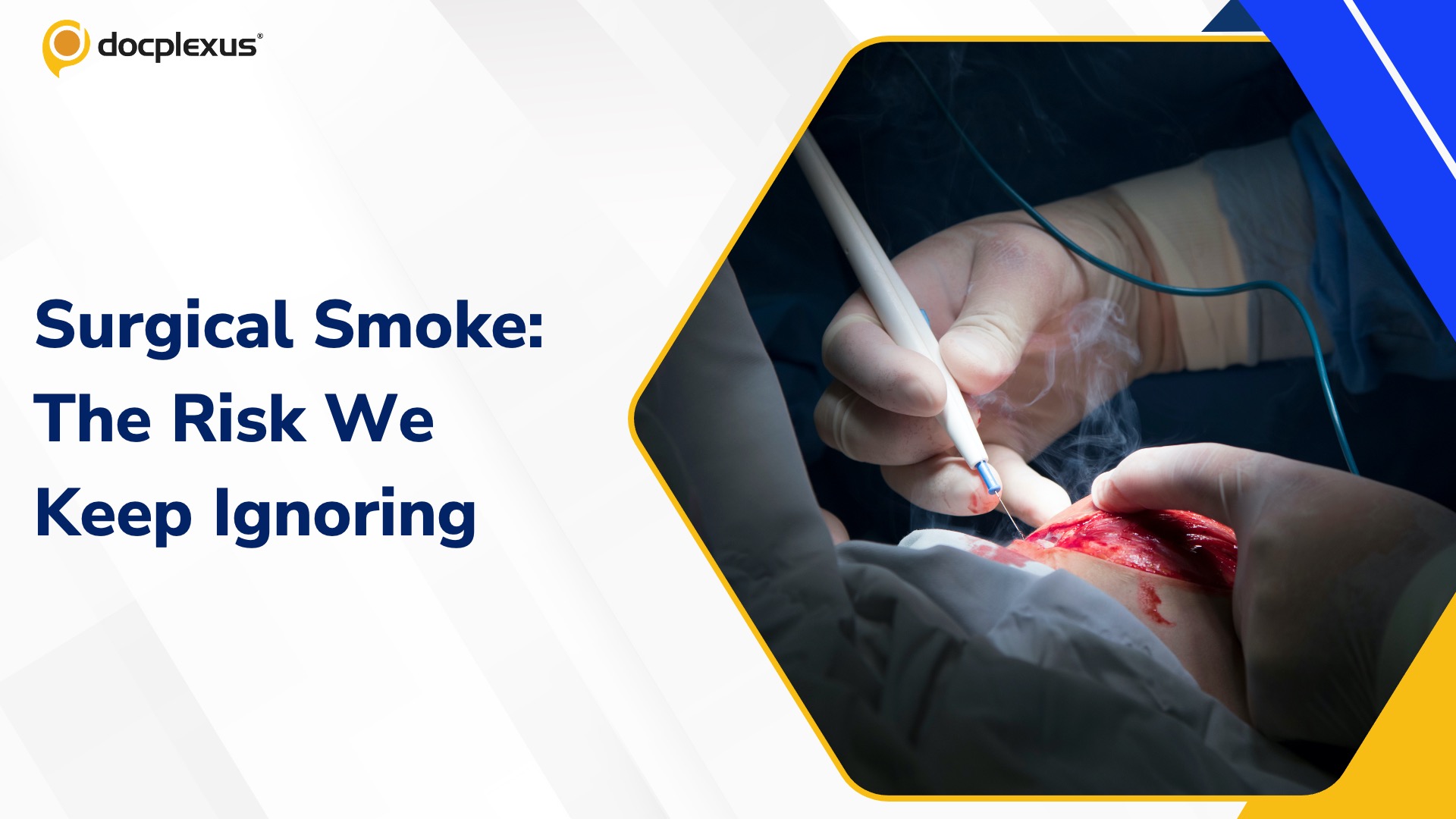
Surgical smoke has become an inevitable by-product of modern operating rooms (ORs), yet many facilities still lack adequate measures to protect healthcare personnel from its hazards. This article reviews the sources and composition of surgical smoke, the associated health risks, and key strategies for minimizing exposure among OR staff. Understanding Surgical Smoke Surgical smoke is generated during a wide range of surgical and invasive procedures. It is commonly referred to as plume, diathermy plume, cautery smoke, aerosols, vapors, or air contaminants.
It forms when heat-producing instruments disrupt and vaporize tissue proteins and fats. Because of its particulate and chemical components, surgical smoke is not only visible but also odorous. For decades, researchers have highlighted the potential danger of inhaling surgical smoke, emphasizing the need for improved awareness and…