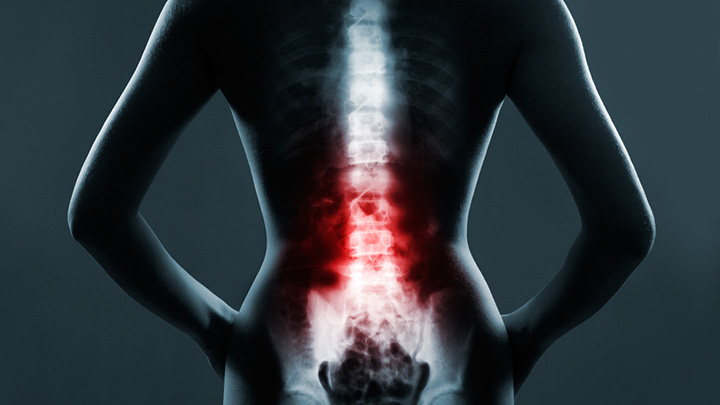
Aging often leads to degeneration of vertebral bones, discs, muscles, and ligaments. Spinal stenosis refers to a "choking" or compression of the spinal nerve roots or the spinal cord. Lumbar Spinal stenosis (LSS) patients typically present with radicular leg pain or neurogenic claudication. The present article is focused on the comparative effectiveness of surgical and non-surgical treatment options in lumbar spinal stenosis. What is a Lumbar Spinal Stenosis (LSS)?
There are two types of stenosis: lumbar stenosis and cervical stenosis. Lumbar stenosis occurs when spinal nerve roots in the lower back are compressed. The typical symptom is increased pain in the legs with walking (pseudoclaudication), which can markedly diminish one's activity level. Patients with lumbar spinal stenosis are typically comfortable at rest but cannot walk far without developing leg pain. Pain relief is…