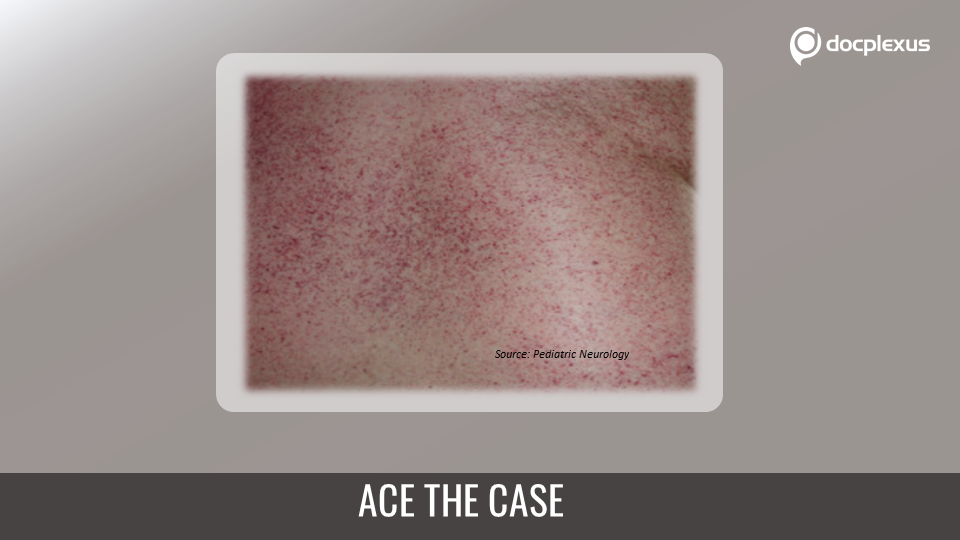
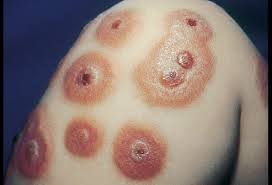
BACKGROUND: Acute febrile neutrophilic dermatosis, also termed Sweet syndrome, is a reactive process characterized by the abrupt onset of tender, red-to-purple papules, and nodules that coalesce to form plaques. The plaques usually occur on the upper extremities, face, or neck and are typically accompanied by fever and peripheral neutrophilia. Described in 1964 by Robert Sweet, the entity currently recognized as Sweet syndrome ranges from classic Sweet disease, which occurs in young women after a mild respiratory illness, to a more aggressive neutrophilic process, which may be associated with other inflammatory diseases or malignancy.
In fact, the lesions may be the first evidence of an underlying disorder and should prompt further investigation. A drug-induced variant due to the administration of various medications has been recognized, and a pregnancy-associated form has also been…