
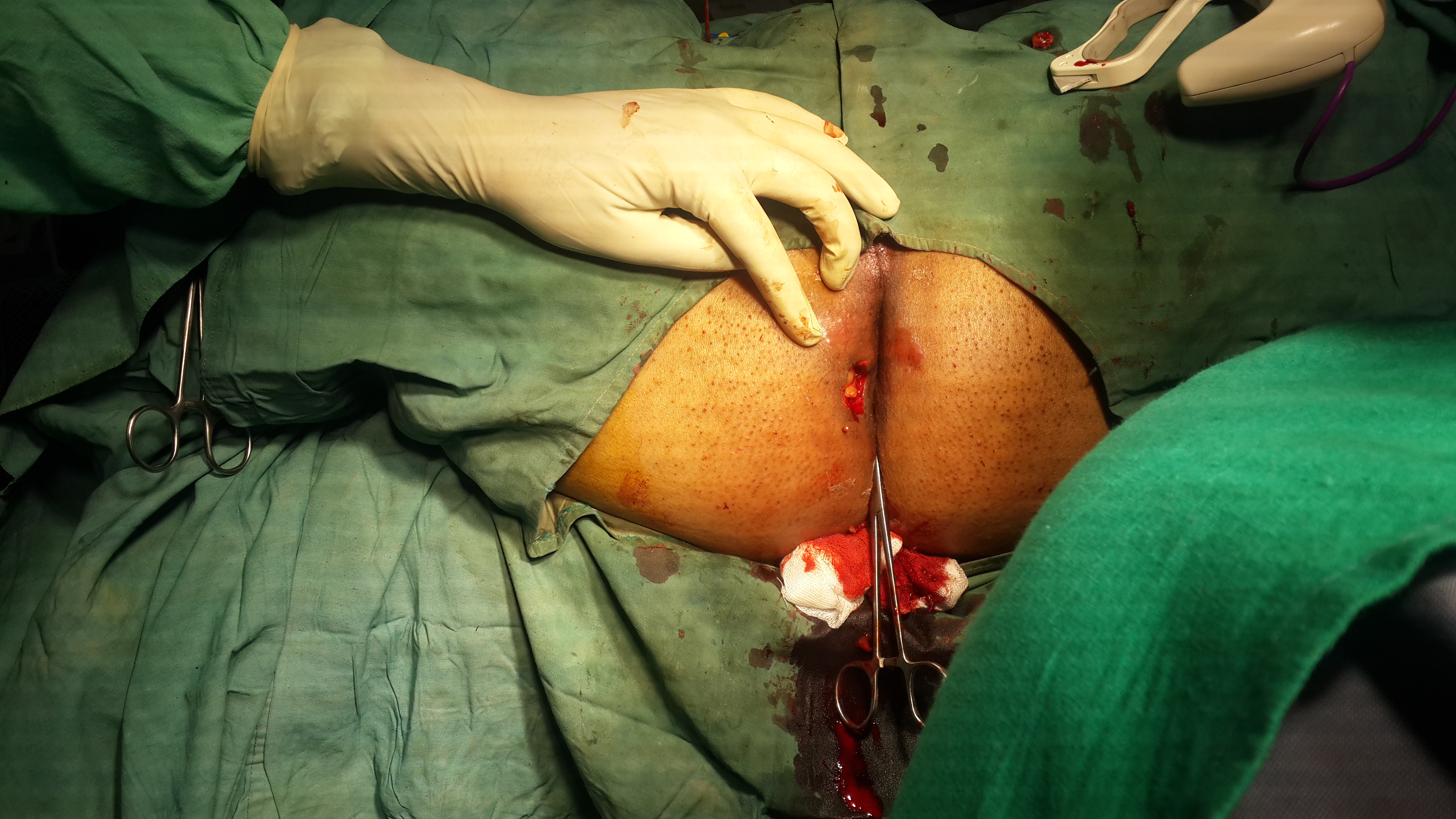
Background: Anal fistulae have been a curse since decades with estimated prevalence of approximately 1:10,000 in the general population [ 5.6 per 100 000 women and in 12.3 per 100 000 men, predominantly in the third and fourth decades of life . While simple lay-opening, that is, fistulotomy, is usually adequate for inter-sphincteric or low-lying fistula, the ideal procedure for higher tracks remains controversial. Various operations and techniques have been described, with lots of dressings, scarring, fear of loss of sphincter control, and hardship for a lifetime.
The worrisome complications following s urgery for anorectal fistulae are a recurrence, or impairment of continence, or anorectal deformity. The ideal treatment for anorectal fistulae should be associated with low recurrence rates, minimal incontinence and good quality of life. The theoretical advantages of using an anal…