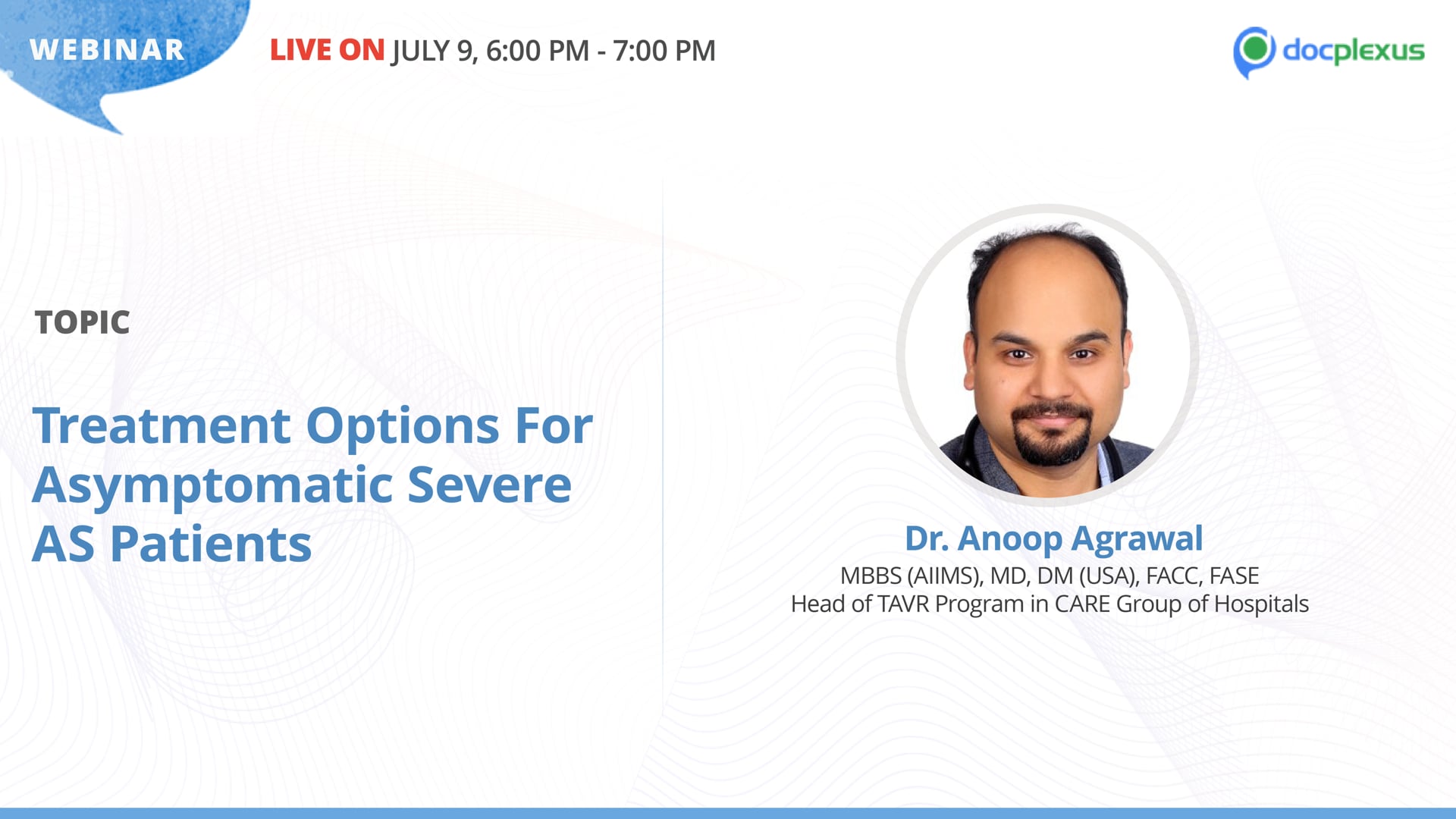
In most elderly adults, aortic stenosis (AS) is caused by a build-up of calcium (a mineral found in your blood) on the valve leaflets. Over time, this causes the leaflets to become stiff, reducing their ability to fully open and close. AS is a progressive disease, which means it gets worse over time. Because of this, doctors will typically measure it as mild, moderate, or severe aortic stenosis. The stage of AS depends on how damaged your aortic valve is.
Once your AS becomes severe, you may notice uncomfortable symptoms such as shortness of breath or fatigue. The European Society of Cardiology (ESC) recommends that people with severe AS have an echocardiogram every six months, even if they are not experiencing symptoms. 2017 ESC guidelines direct all asymptomatic AS patients with left ventricle ejection fraction (LVEF) >50% active to be exercise tolerance tested. There are new…