
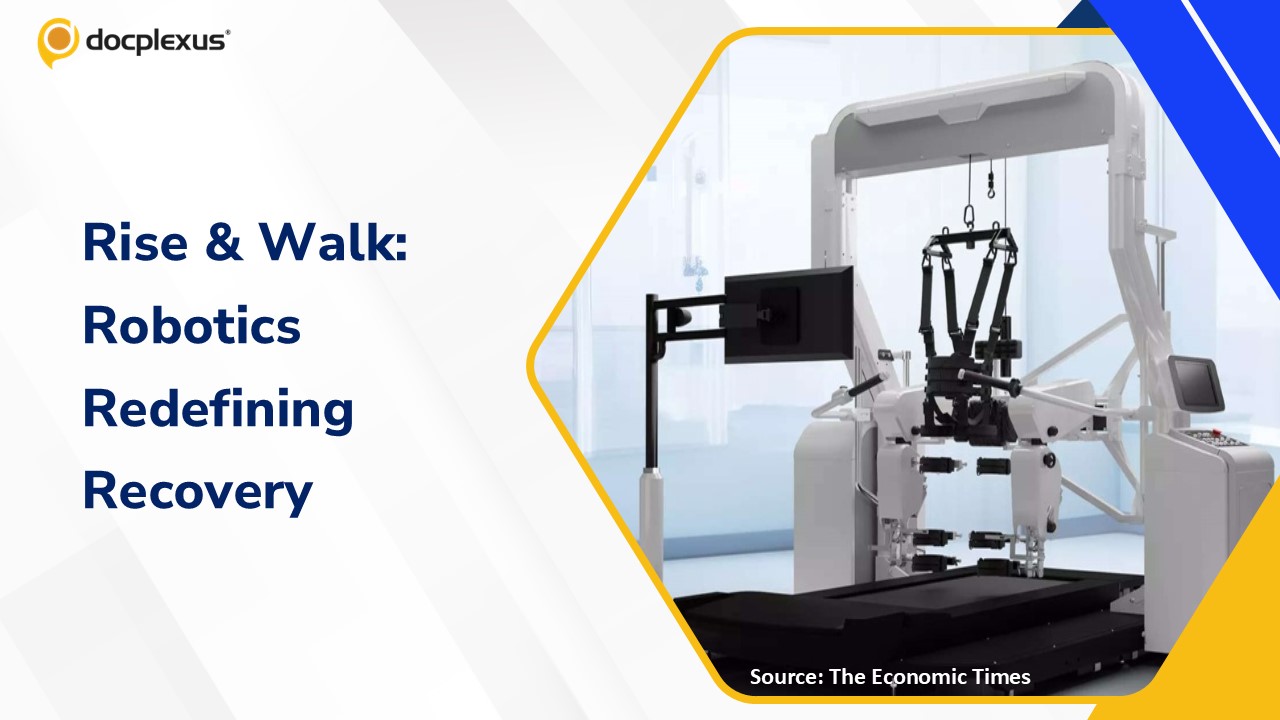
Robotic gait trainers are emerging as a transformative solution in reshaping mobility outcomes for people with neurological and musculoskeletal disabilities in India. The growing adoption of these technologies in hospitals and rehabilitation centres is rewriting the narrative for patients once told they may never walk again. Conditions such as stroke, spinal cord injuries, Parkinson’s disease, and cerebral palsy contribute to a significant rehabilitation burden.
Stroke alone affects nearly 1.8 million people annually, while over 1.5 million live with spinal cord injuries and thousands more are diagnosed with early-onset Parkinson’s disease. Cerebral palsy remains one of the most common childhood disabilities, with a prevalence of 3 per 1,000 live births. Traditional physiotherapy, though vital, is often labour-intensive, imprecise, and difficult to access, particularly outside major…

