
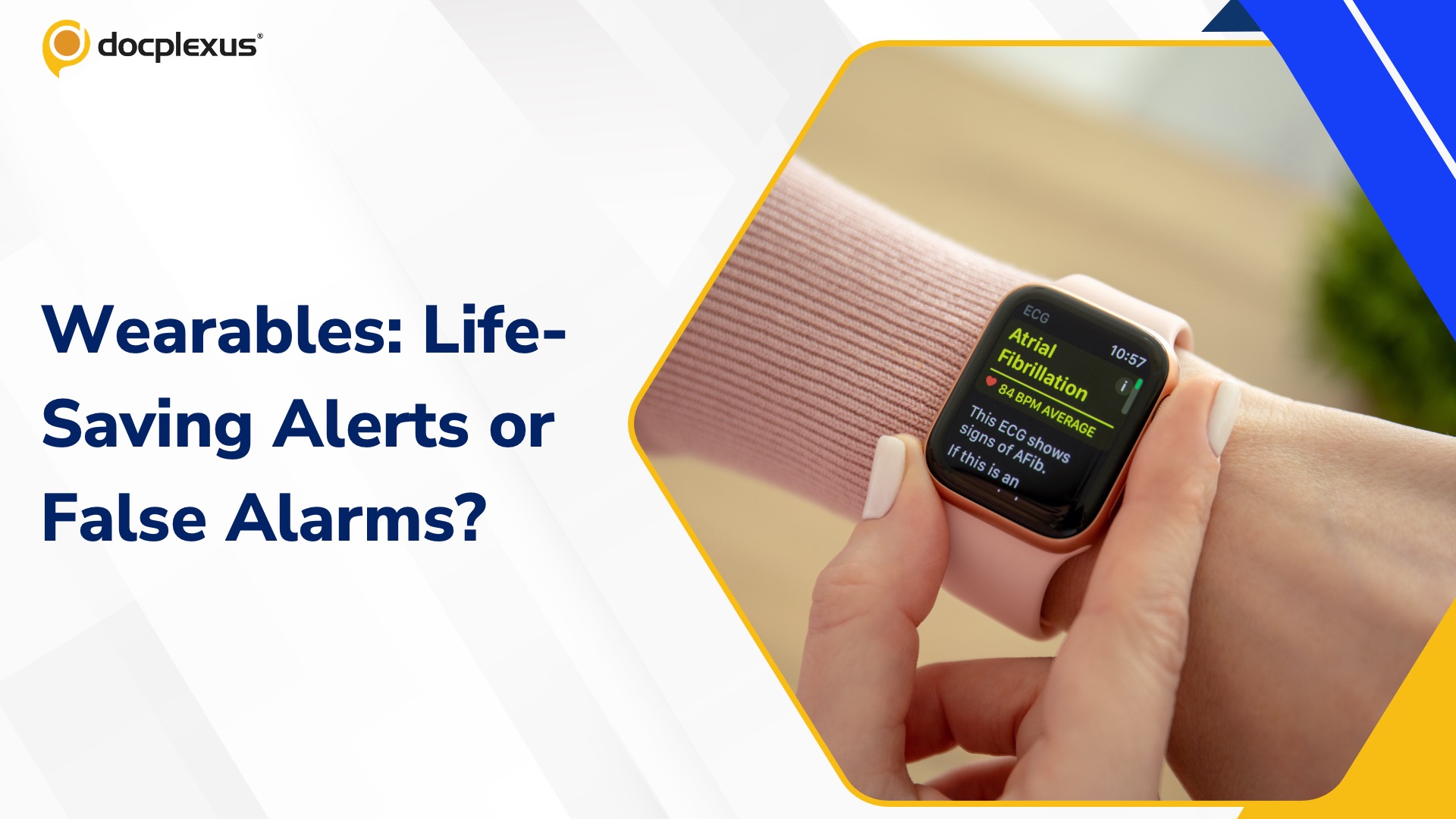
The rapid adoption of wearable health devices, including smartwatches and fitness trackers, has introduced a new dimension to patient monitoring. Many devices now incorporate photoplethysmography (PPG) sensors and electrocardiogram (ECG) capabilities, enabling detection of irregular heart rhythms, heart rate variability, and sleep patterns. Large studies, including the Apple Heart Study, have demonstrated the potential of these devices to identify episodes suggestive of atrial fibrillation (AF) in otherwise asymptomatic individuals, highlighting their promise as early screening tools.
In addition to cardiac rhythm monitoring, wearables are increasingly used to track sleep duration, sleep stages, and nocturnal physiological parameters. Such data may offer insights into sleep disorders, stress patterns, and overall lifestyle behaviours. For patients with chronic conditions or…