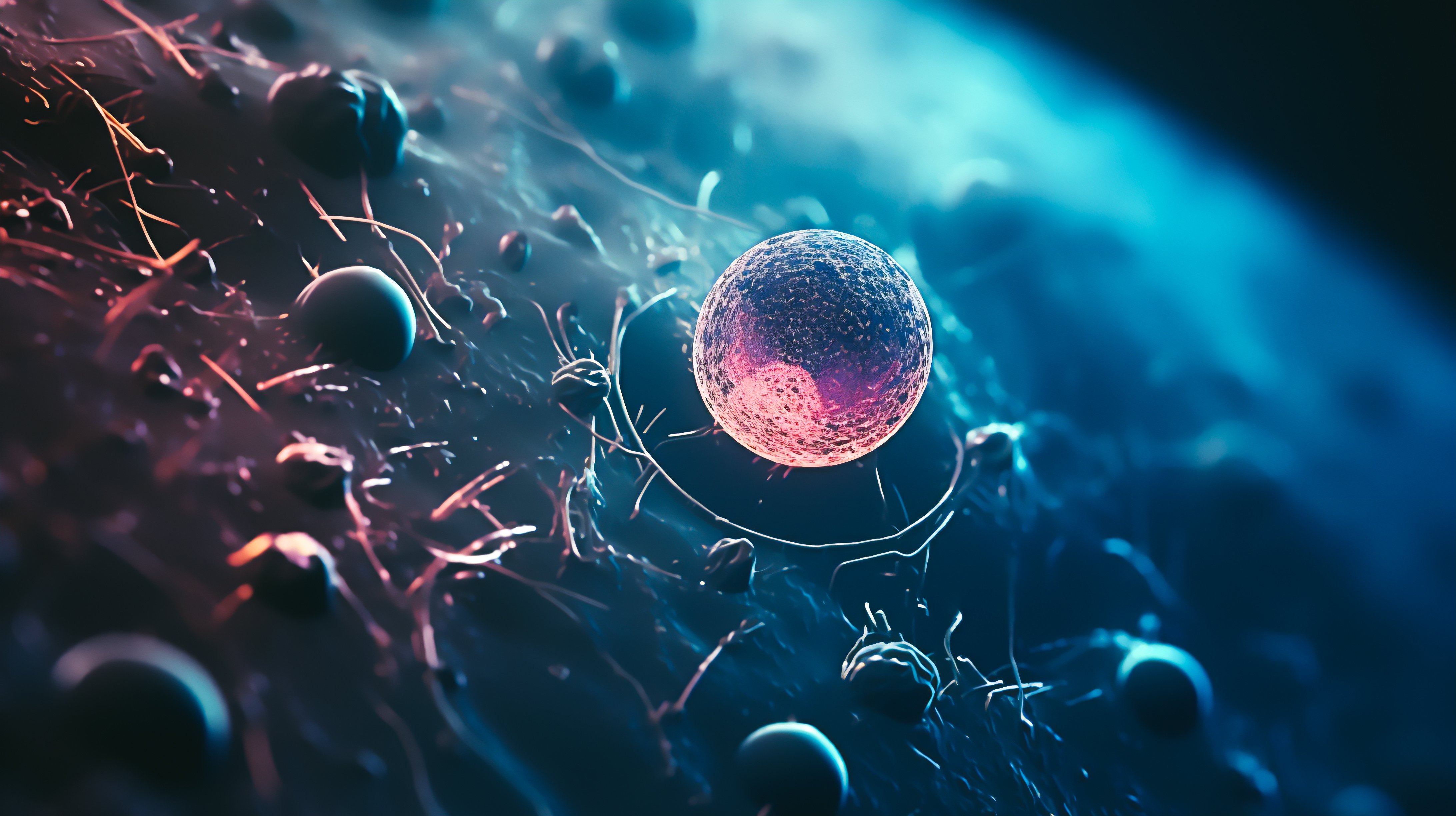
In the realm of oral pathology, where the subtle dance of cells tells tales of health and peril, we find ourselves ensnarled in the intricate web of diagnosis and prediction. The diagnosis of oral epithelial dysplasia, a harbinger of potential malignancy, is riddled with complexities that challenge our every effort to decipher its meaning. Like an artist gazing upon a canvas, we are asked to interpret a spectrum of shades, yet the hues of dysplasia blur into one another, leaving us with an ambiguous picture. Histological grading, the cornerstone of our assessments, straddles a precarious line between science and subjectivity.
Each observation, each cellular nuance, becomes a personal interpretation —vastly different in the eyes of varying specialists. We cling to established systems, such as the WHO classification. Yet, in this framework, the lines we draw to separate low-grade…