
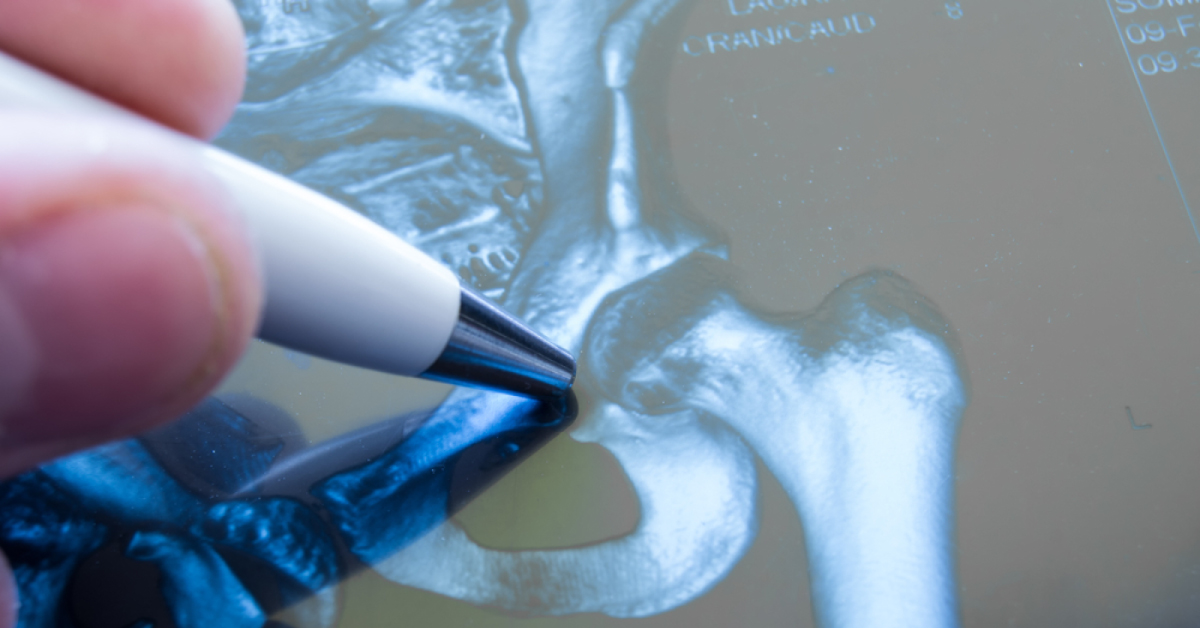
Fragility fractures are a growing problem worldwide. Current methods for diagnosing osteoporotic fracture risk do not always identify individuals who require treatment to prevent a fracture. This article summarizes advanced imaging modalities that add information which can improve the prediction of fracture risk in the clinic. Bone fractures are a widespread problem that affects over 75 million people in the world, with more than 2.3 million osteoporotic fractures per year globally.
Fractures are a large problem with certain diseases and conditions, such as postmenopausal women and diabetes. An increase in fracture risk occurs with aging for both women and men. Traditionally, fracture risk is assessed using dual-energy X-ray absorptiometry (DXA), which provides measurements of areal bone mineral density at sites prone to fracture. The most common imaging parameter used to diagnose…