
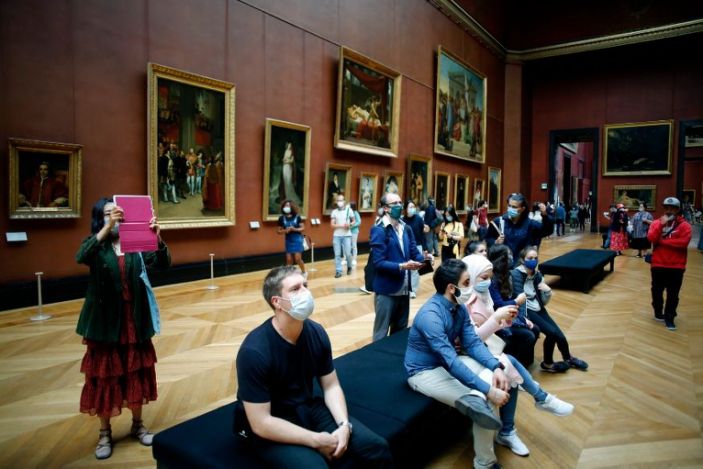
The coronavirus can stay aloft for hours in tiny droplets in stagnant air, infecting people as they inhale, mounting scientific evidence suggests. This risk is highest in crowded indoor spaces with poor ventilation, and may help explain super-spreading events reported in meatpacking plants, churches and restaurants. It’s unclear how often the virus is spread via these tiny droplets, or aerosols, compared with larger droplets that are expelled when a sick person coughs or sneezes, or transmitted through contact with contaminated surfaces, said Marr, an aerosol expert at Tech.
Aerosols are released even when a person without symptoms exhales, talks or sings, according to Marr and more than 200 other experts, who have outlined the evidence in an open letter to the World Health Organization. What is clear, they said, is that people should consider minimizing time indoors with people outside…