
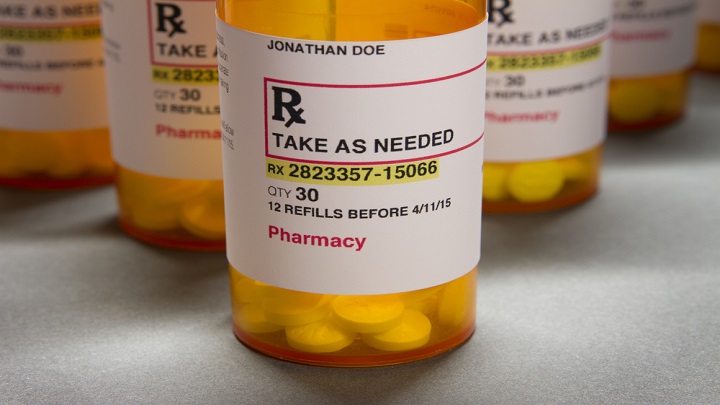
The term off-label can apply to a wide range of prescriptions, from those that have voluminous support in the scientific literature to those that are just now becoming known to the medical community. A prescription may be considered off-label for any number of reasons, such as the dose is significantly higher than the label recommendation; where the drug is given for an indication, not on the label; and where the patient is not part of a population included in the clinical trials listed on the label. The last type usually involves children or geriatric patients.
Another major concern is whether the FDA regulatory status of a drug during informed consent is necessary or not. Overall, knowing the facts about off-label or on-label prescription is utmost important for a physician to reduce the liability risk and to ensure patient’s safety. What are the legal implications of off-label…