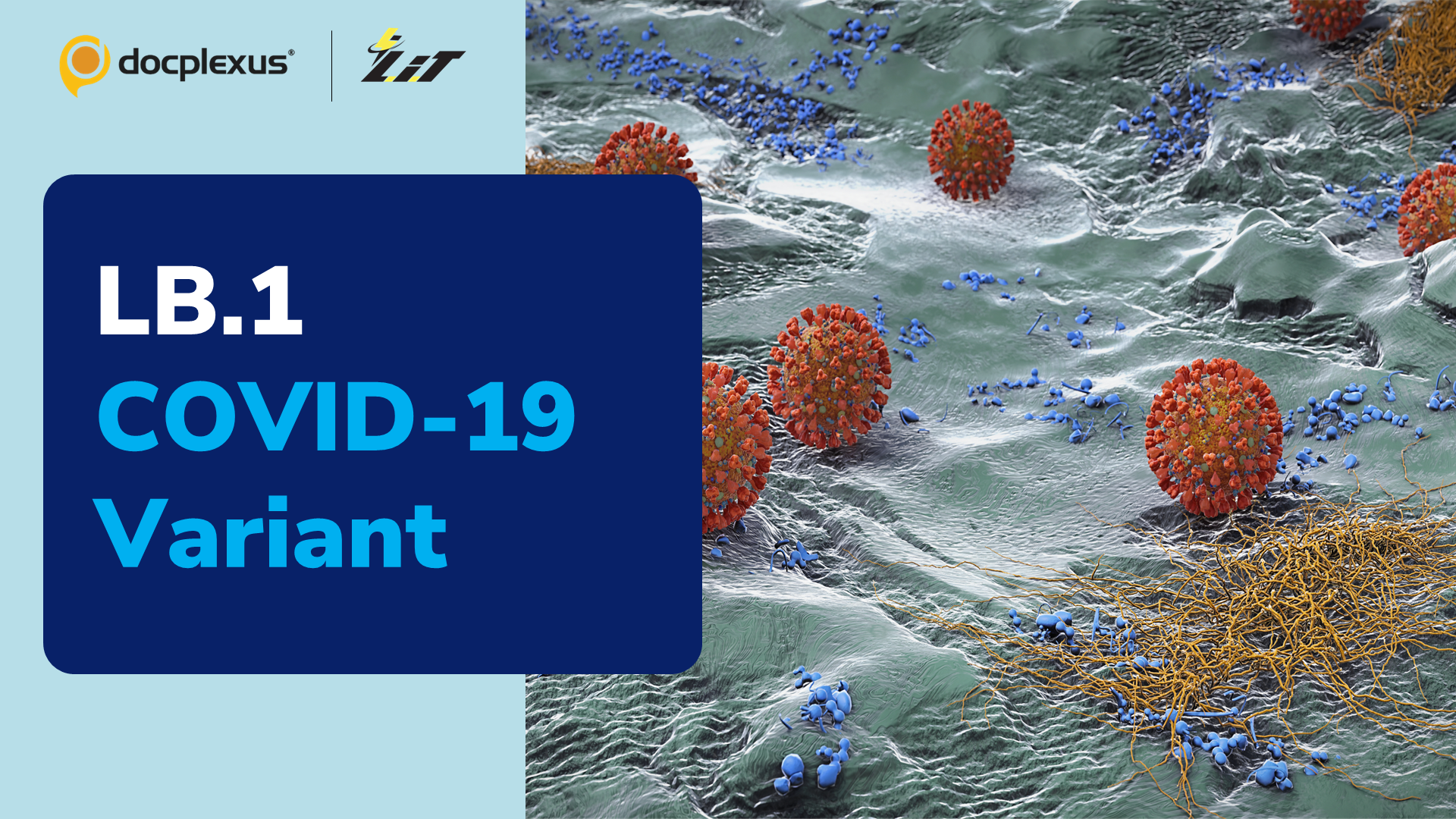
A new variant of COVID-19, known as LB.1, has emerged in the United States and is spreading rapidly, accounting for 17.5% of recent COVID cases, according to the Centers for Disease Control and Prevention (CDC). The LB.1 variant, related closely to KP.3 and originating from JN.1, includes an additional mutation not found in its predecessors. While it shares similarities with other FLiRT variants, LB.1 has been termed a "deFLiRT" variant due to this unique mutation. Despite concerns, there is currently no evidence suggesting LB.1 causes more severe illness than earlier variants.
However, ongoing studies, including one from Japan examining LB.1's mutation, suggest it may enhance transmission rates. Therefore, adhering to key preventive measures is crucial to mitigate the spread of COVID-19. Vaccination, including booster shots as recommended, significantly reduces the risk of severe…