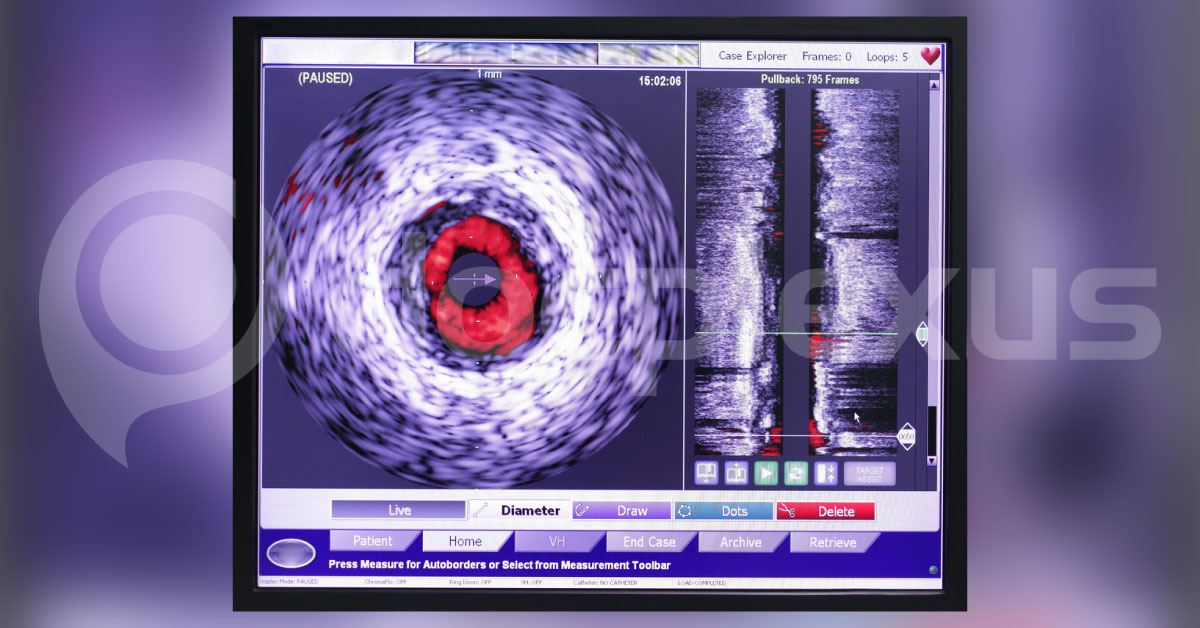
Coronary artery disease is one of the leading causes of morbidity and mortality and it has been suggested that identifying vulnerable and “at-risk” lesions, would encourage the use of percutaneous coronary intervention to prevent ACS. There are several different imaging modalities available for this, which include, angioscopy, magnetic resonance angiography, intravascular ultrasound (IVUS), optical coherence tomography (OCT), and near-infrared fluorescence. This article will particularly focus on the utility of IVUS and OCT in cardiovascular imaging.
The current gold standard for the assessment of severity of coronary artery disease (CAD) is X-ray coronary angiography. However, it has certain limitations, like it can to only visualize the contours of the vascular lumen and it is subjected to inter- and intraobserver variability. A better understanding of the history of atherosclerosis…