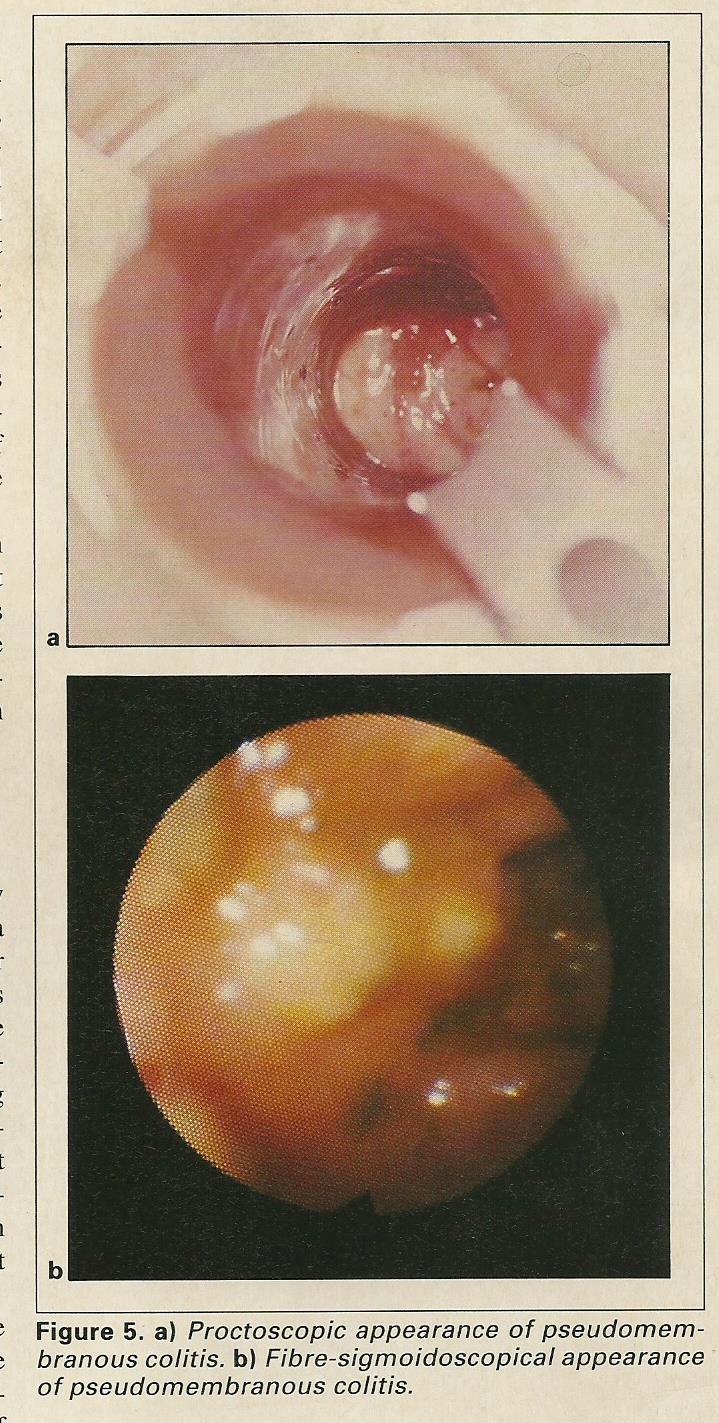
I saw an article from my library - (1989) "Hospital Update" about Clostridium difficile (CD) most frequently implicated in diarrhoeal disease which produce toxins A and B - B is the major agent - its activity enhanced by A. Transmission is based on very low background fecal carriage rate which is increased by the use of antibiotics that displace competing flora. Nosocomial transmission also occurs (bed pans, toilets, unwashed hands.) The organism can survive for 5months on surfaces.
Obvious problem in chronic wards with possible transmission to attending staff. Interestingly there is mention of lactobacillus and normal fecal enema - apart from Vancomycin etc., A new strategy for combatting recurrent Clostridium difficile infection (CDI) by seeding the gastrointestinal (GI) tract with spores of a C difficile strain that does not produce endotoxins appeared safe and successful at…