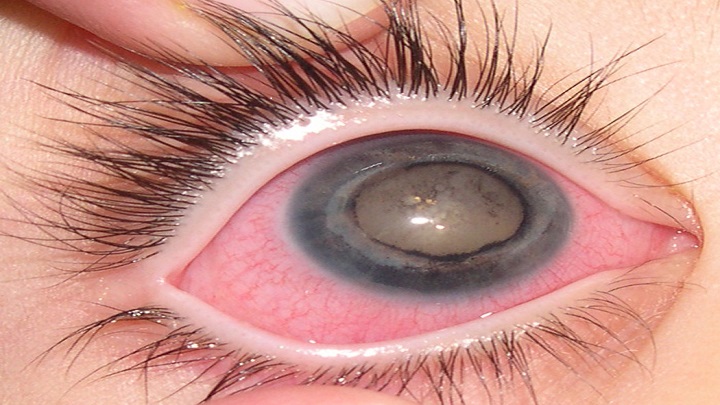
Coats disease is an idiopathic ophthalmic condition characterized by retinal telangiectasias and subretinal exudation leading to retinal detachment. It progresses gradually and affects central vision which may result in enucleation if detected in its advanced stages. This article gives a brief overview of this rare ophthalmic condition. Coats disease Coats disease is primarily due to aneurismatic, telangiectatic and obstructed trichoid vessels located within the temporal retina. These abnormal vessels are leaky and exudate in various degrees.
Coats disease is always unilateral and the majority (about 69 %) of the cases are infants or juvenile male patients. The peak age of onset is between 6-8 years of age but ranges from 5 months to 71 years. Coats disease is a rare congenital and nonhereditary eye disorder. Causative or risk factors for Coats disease are unclear till date.…